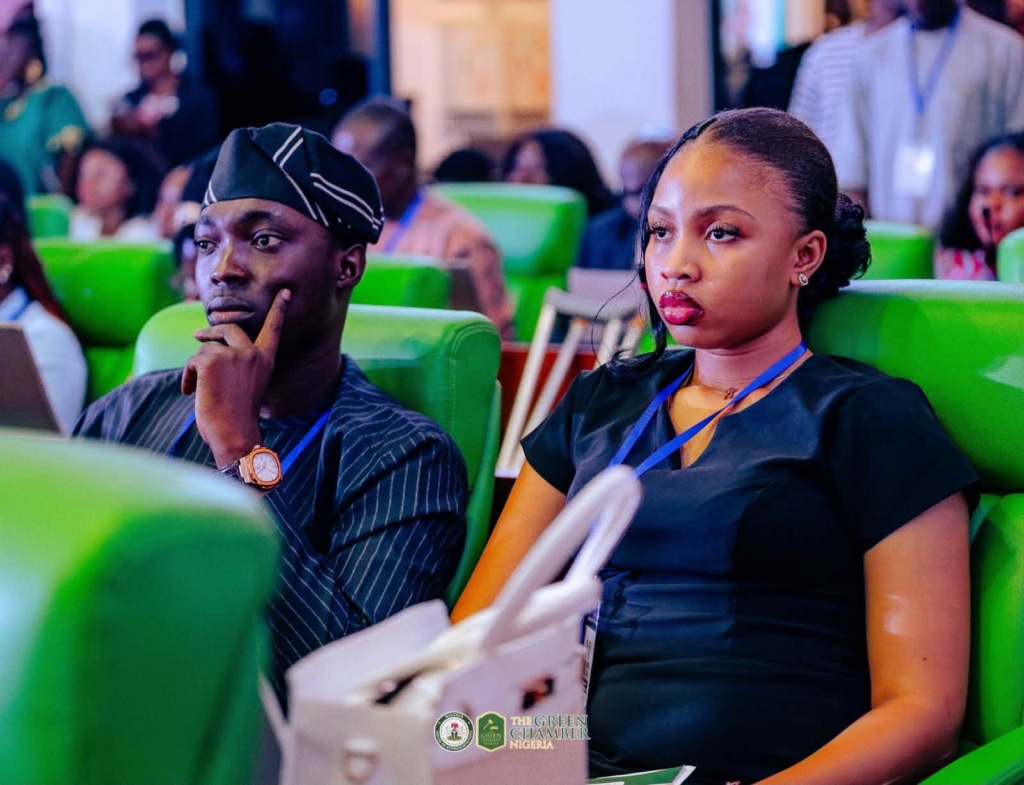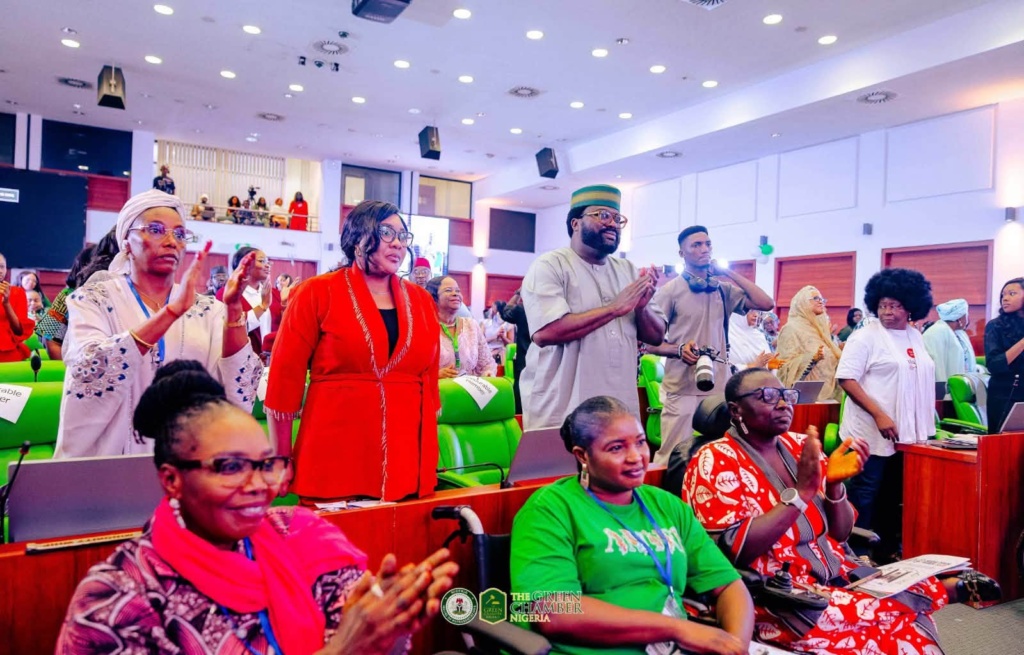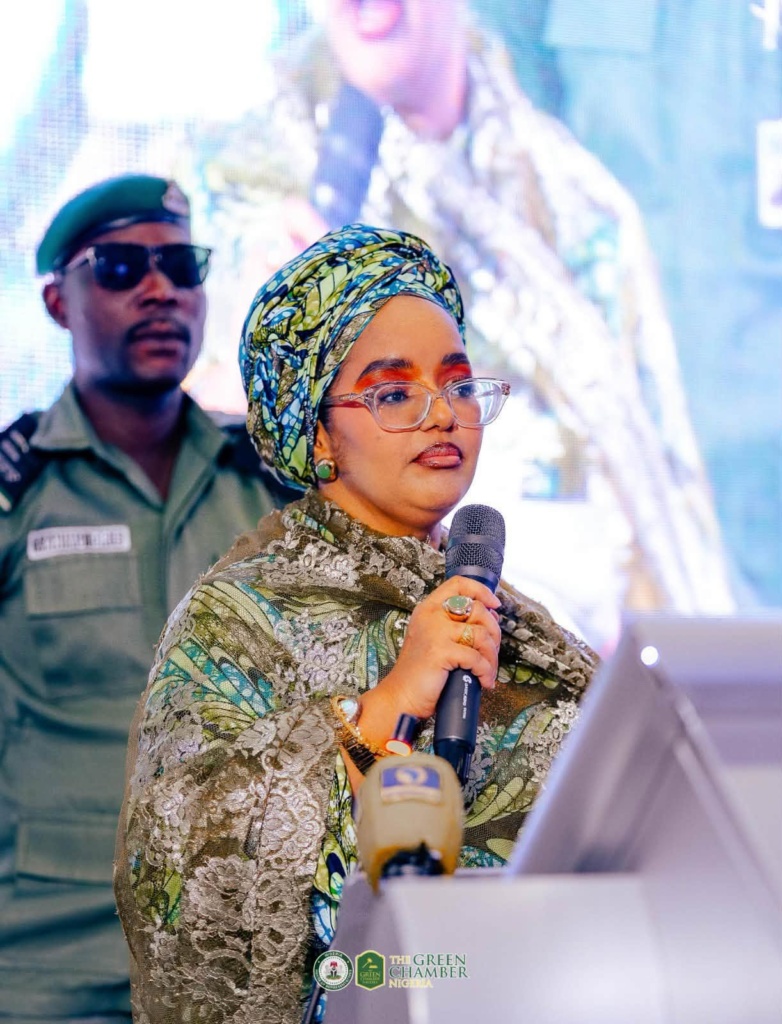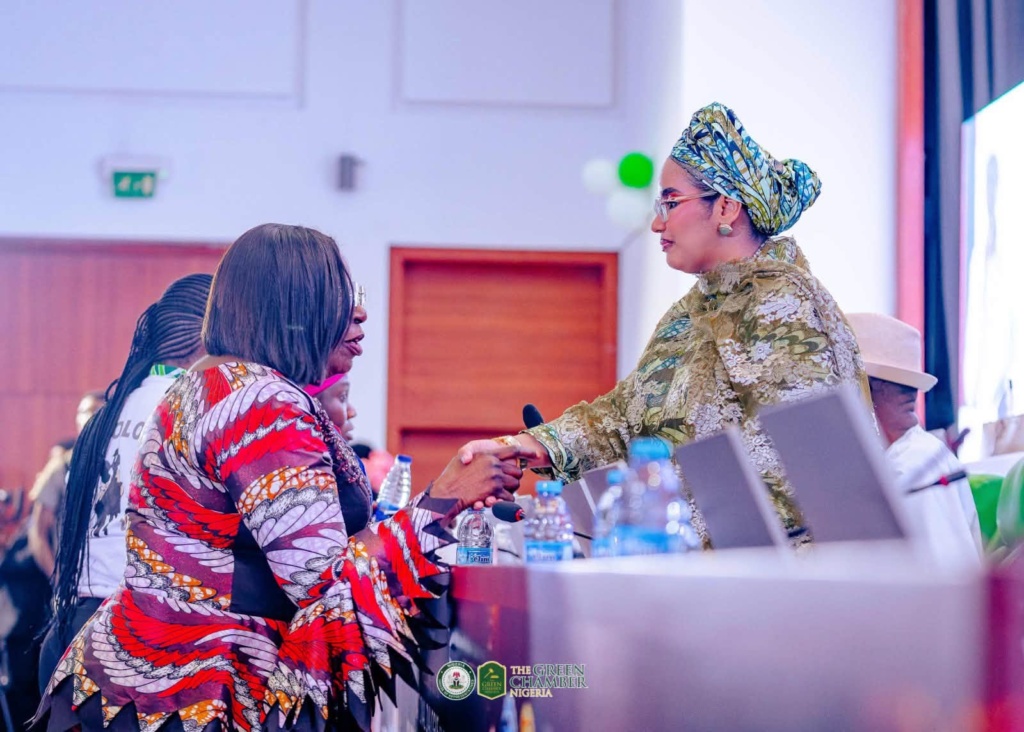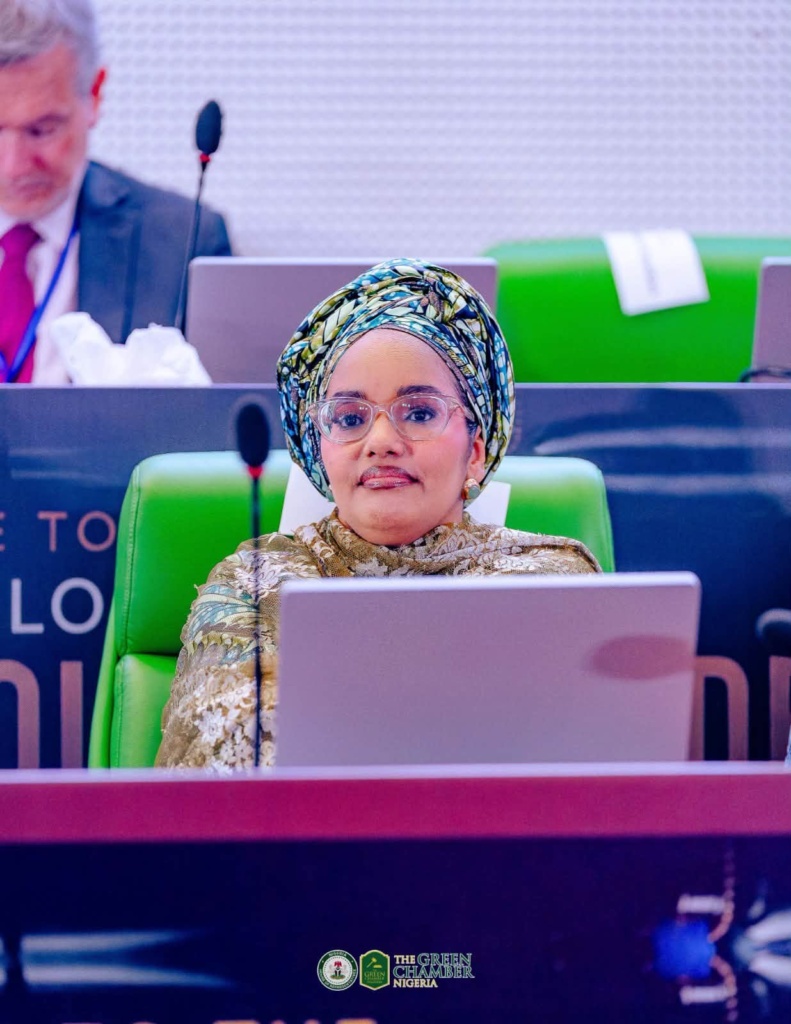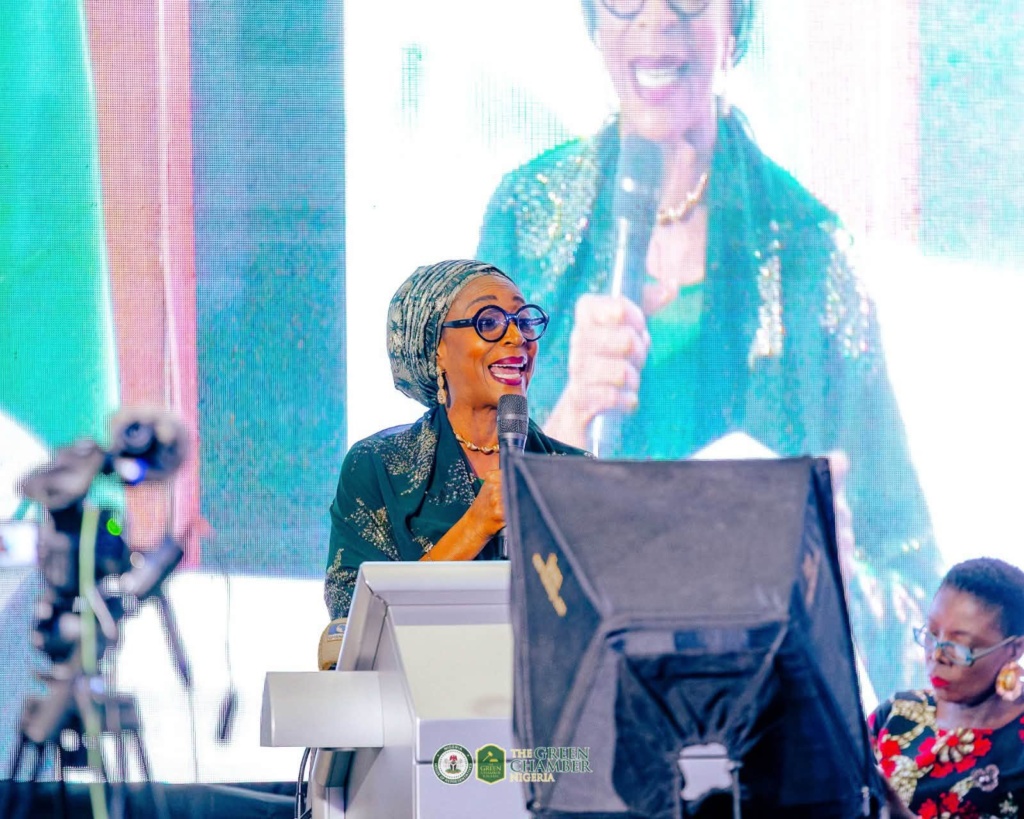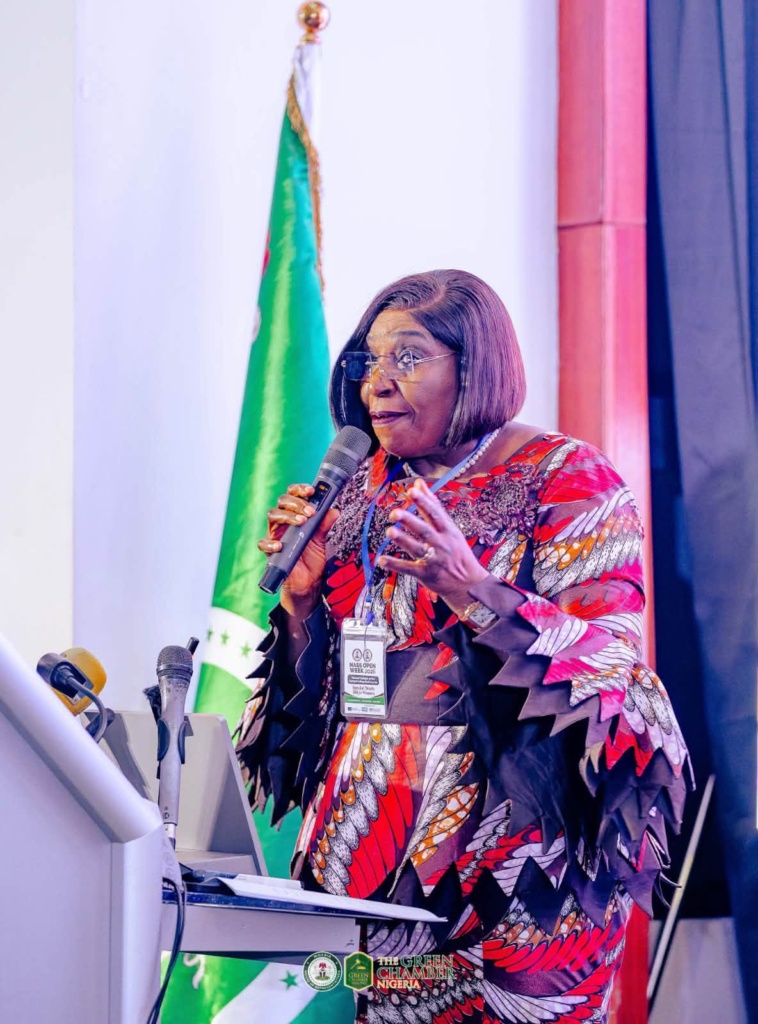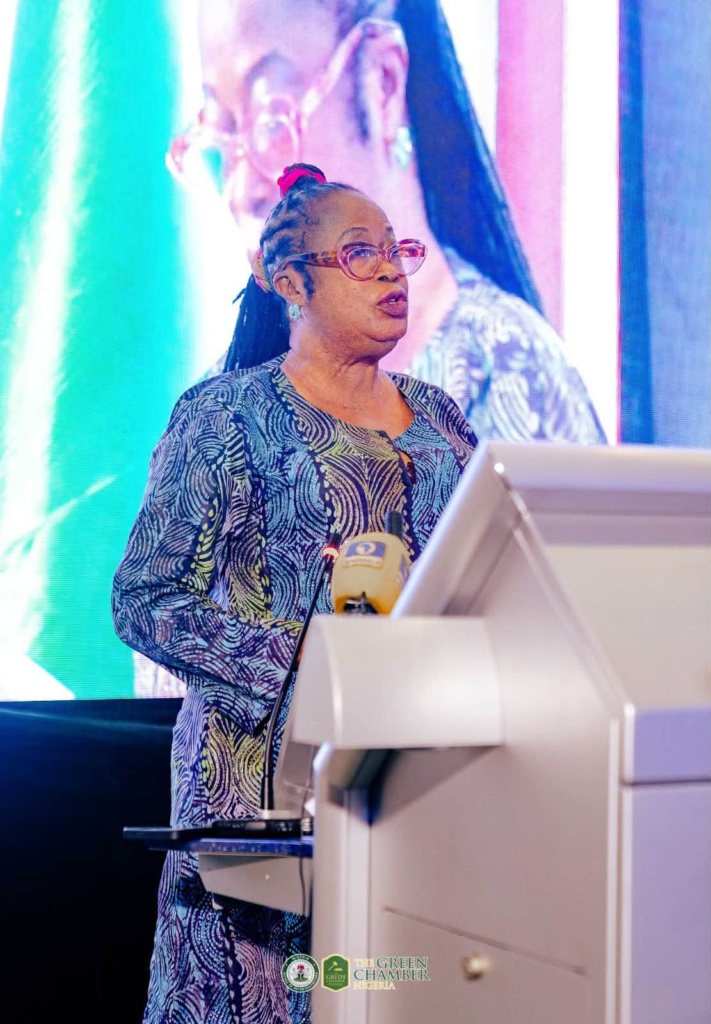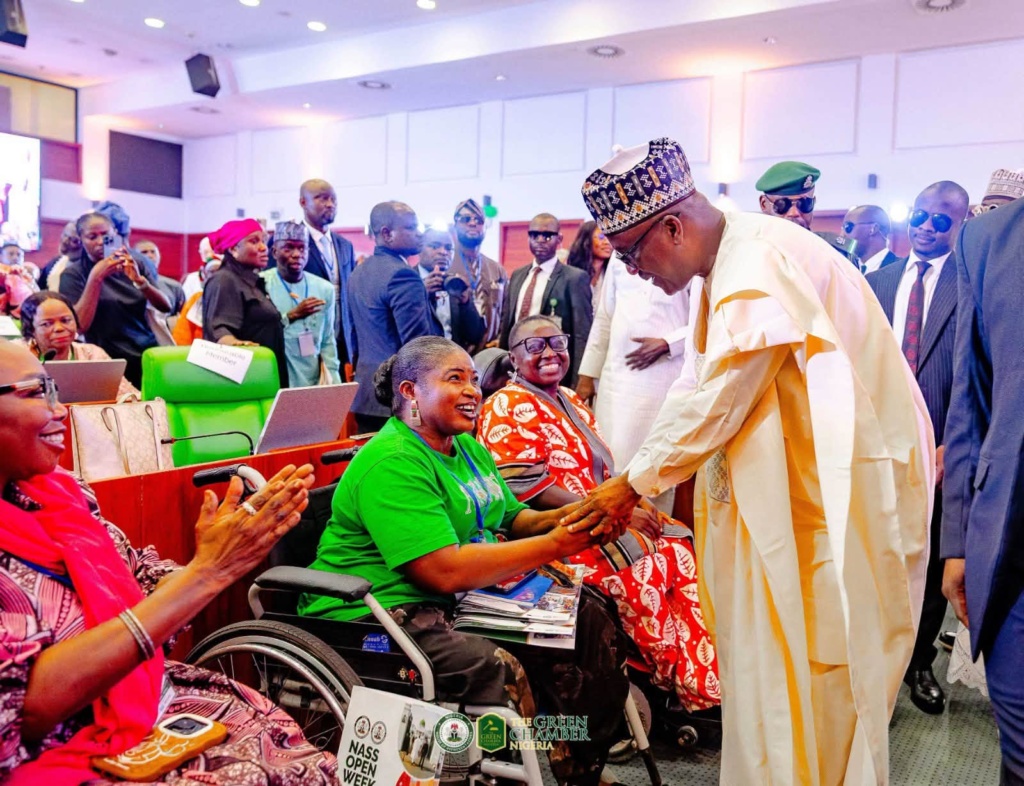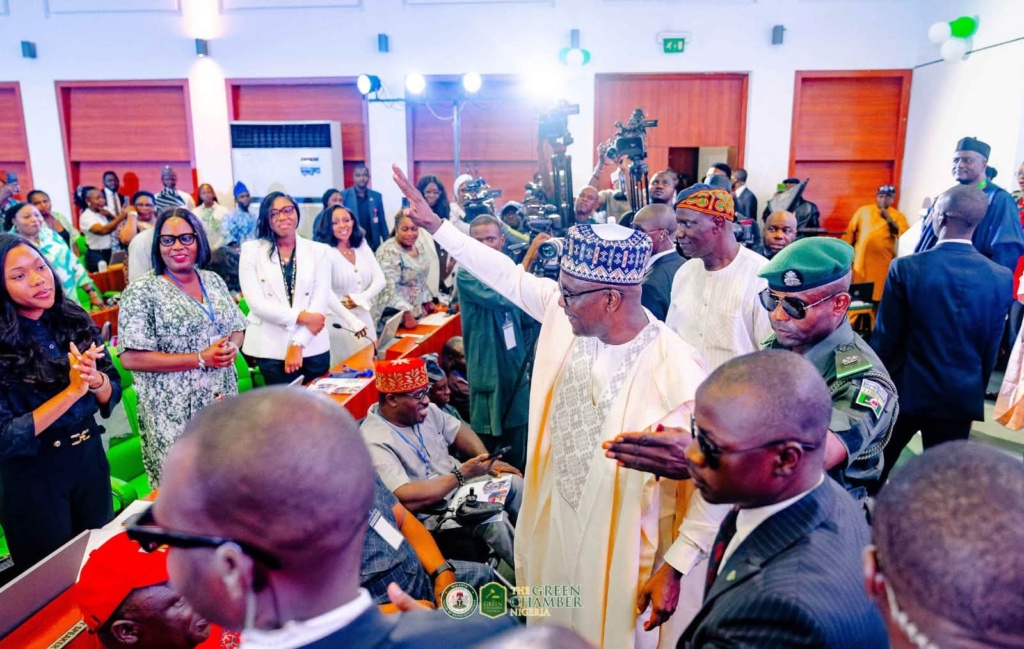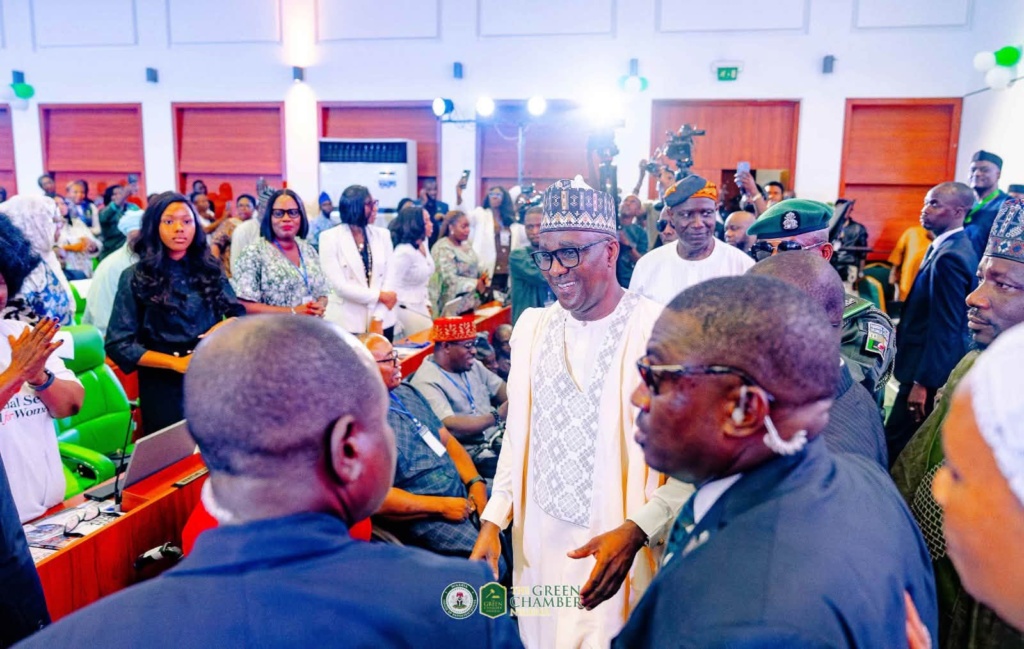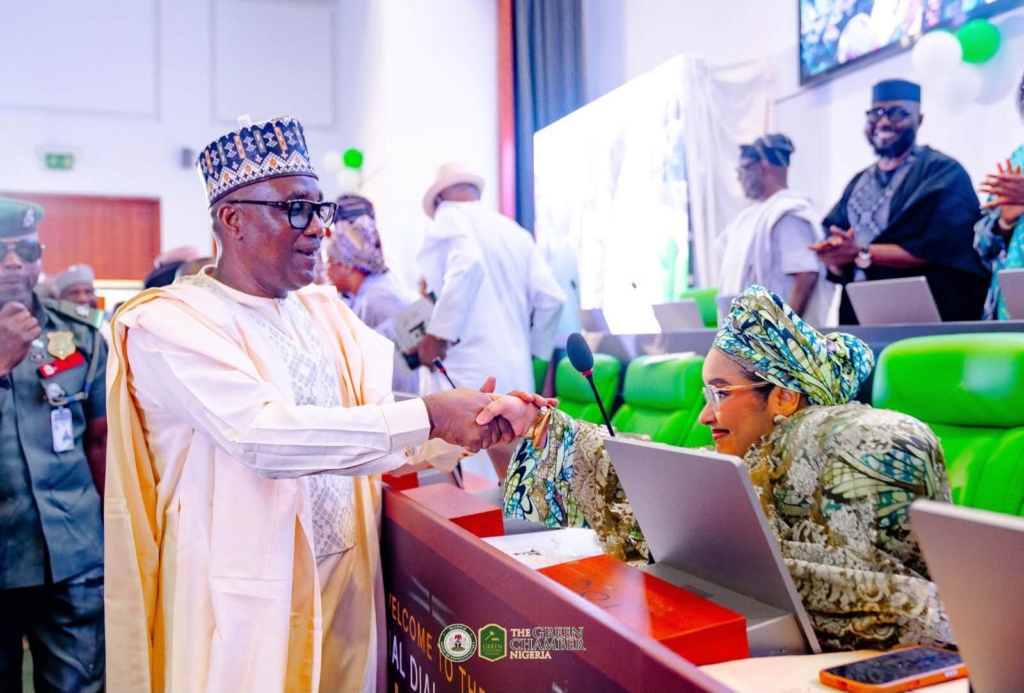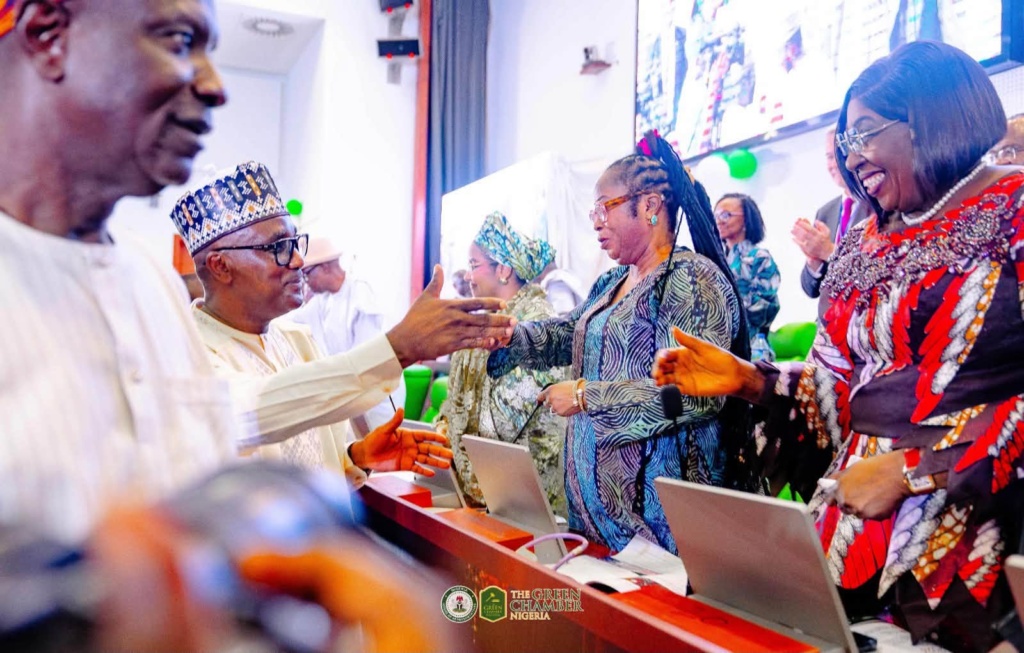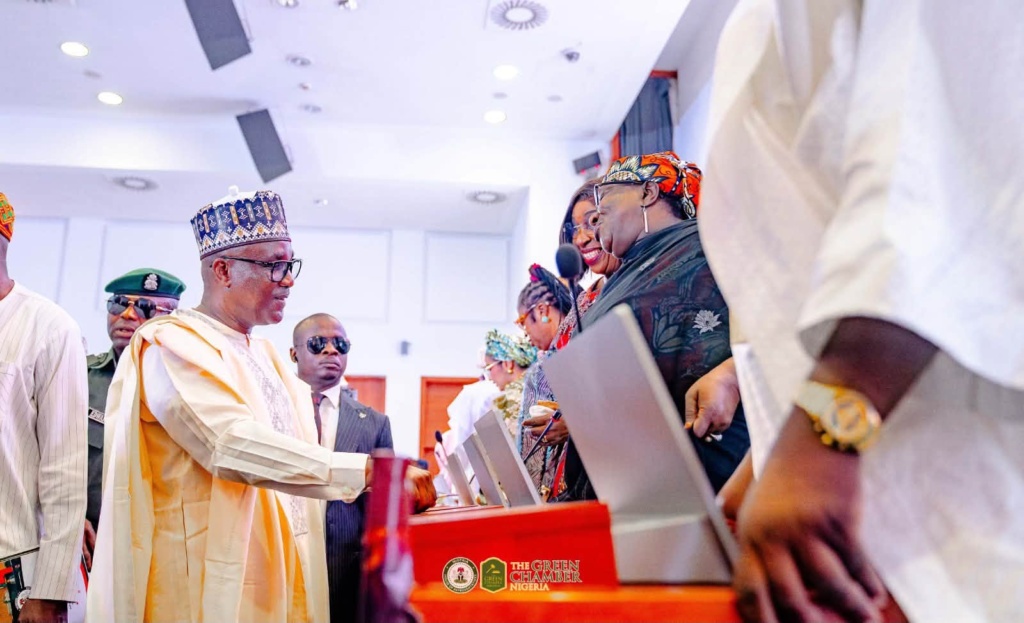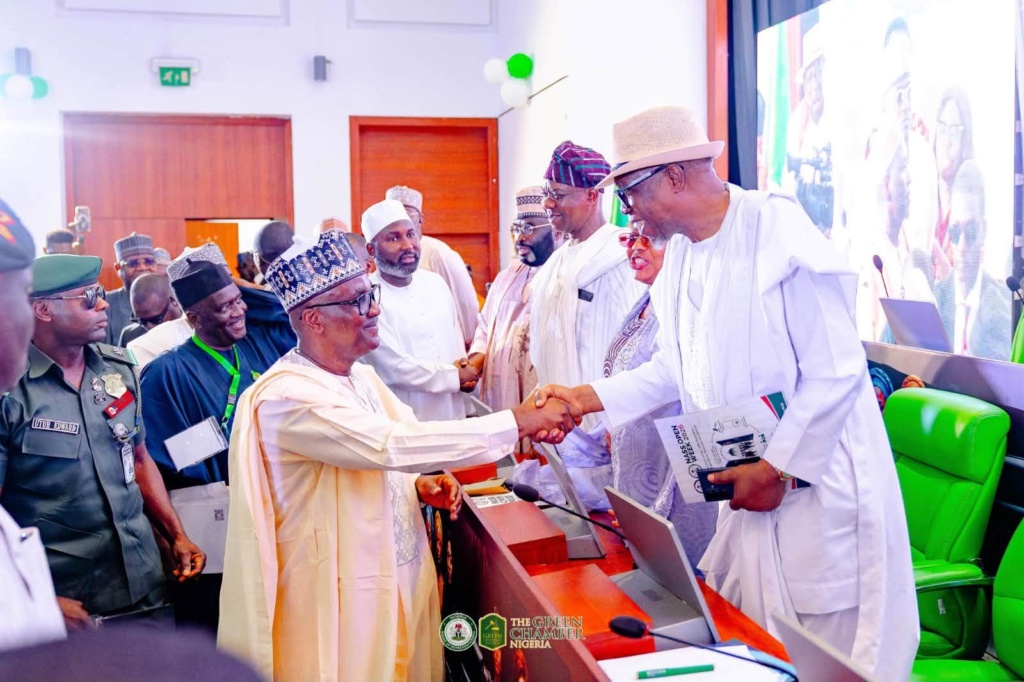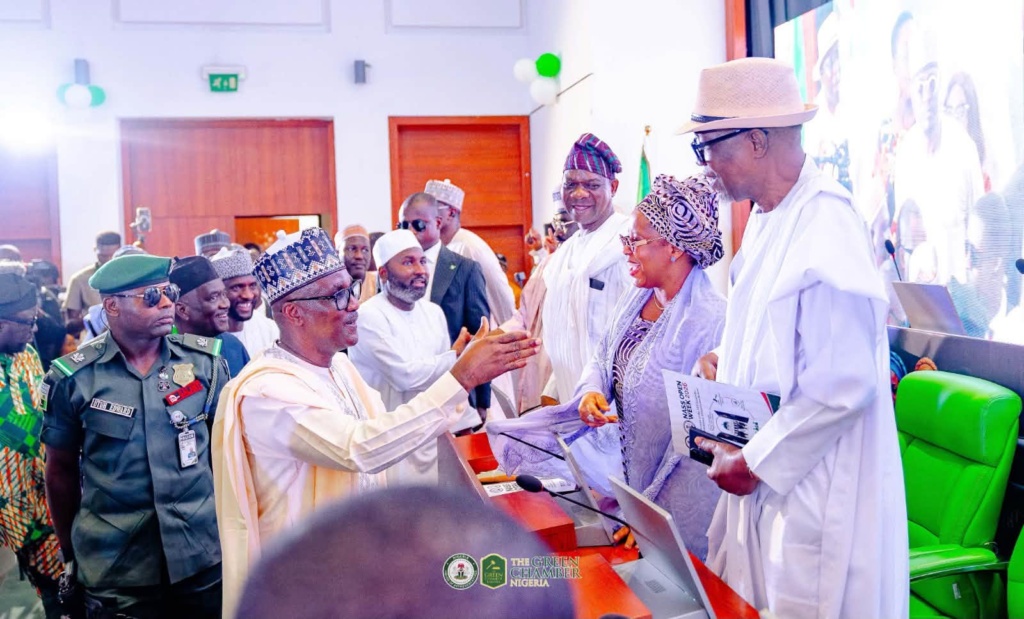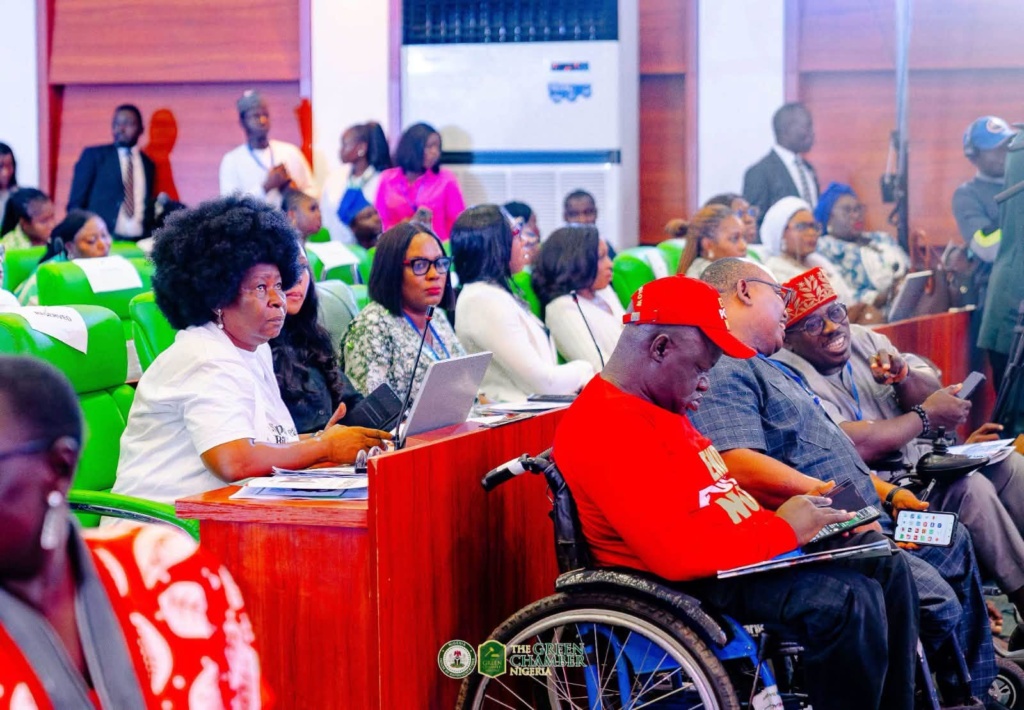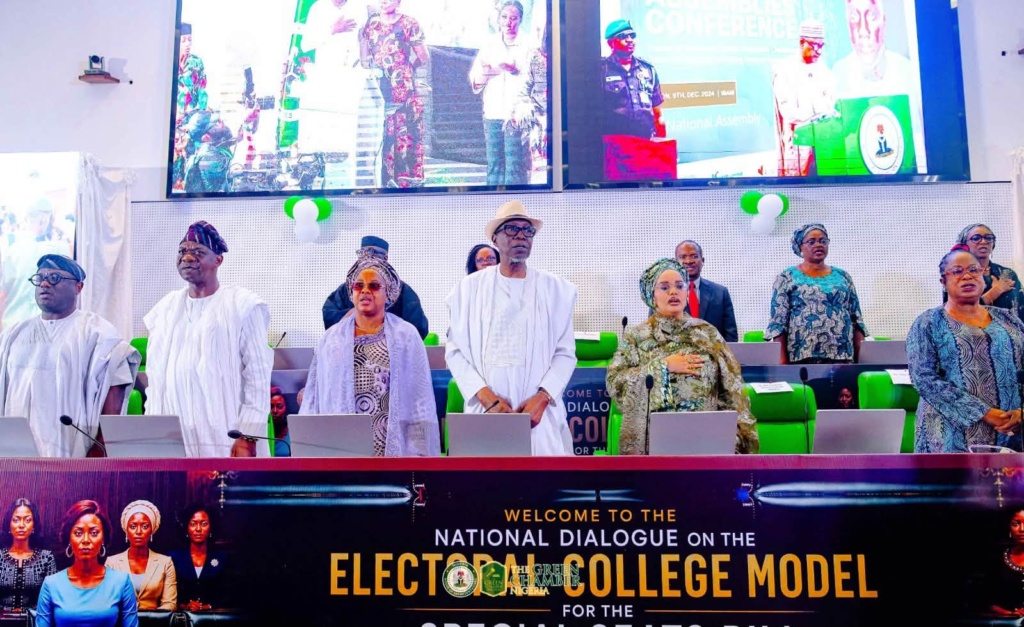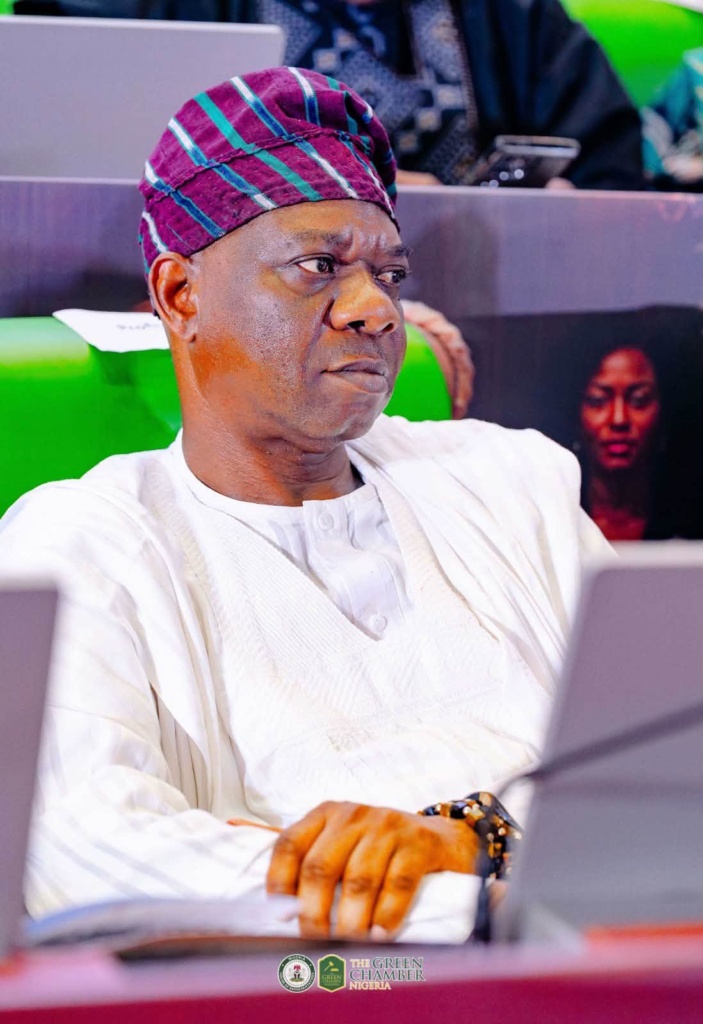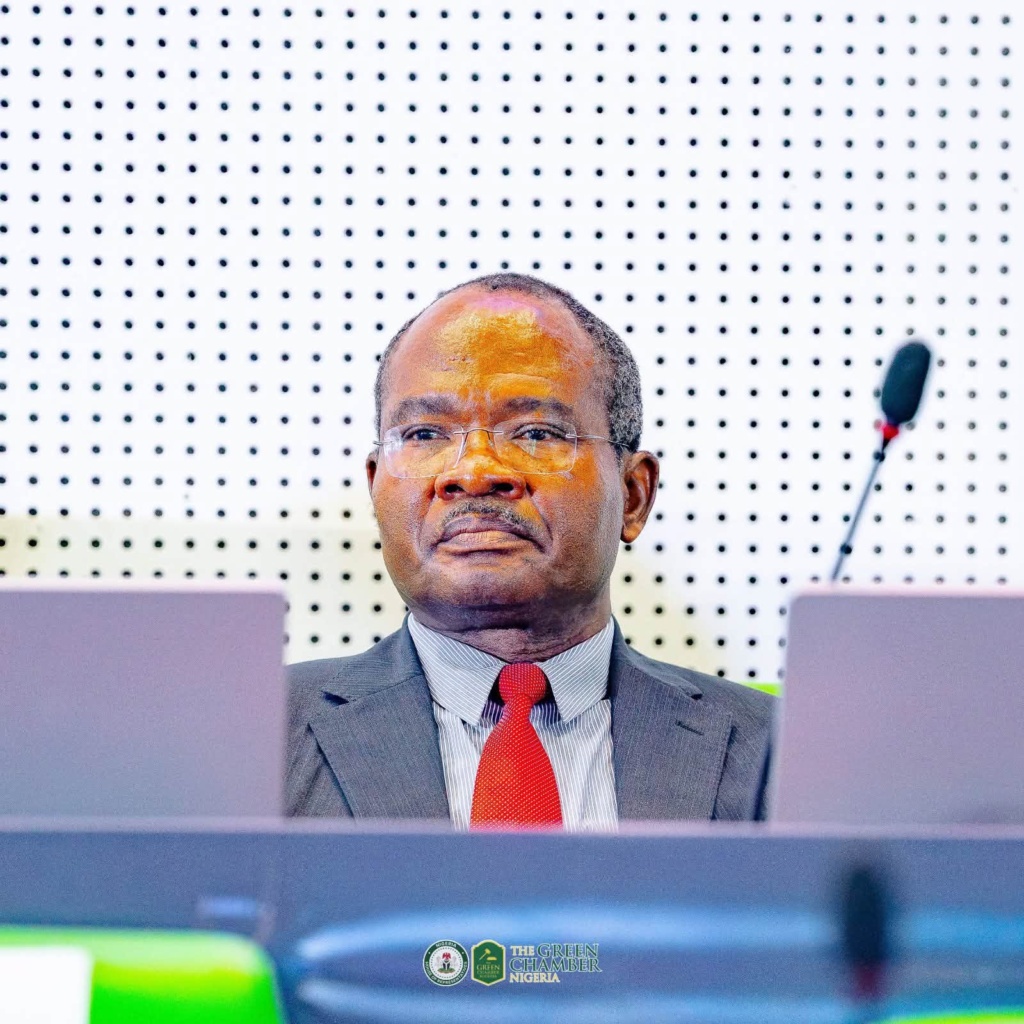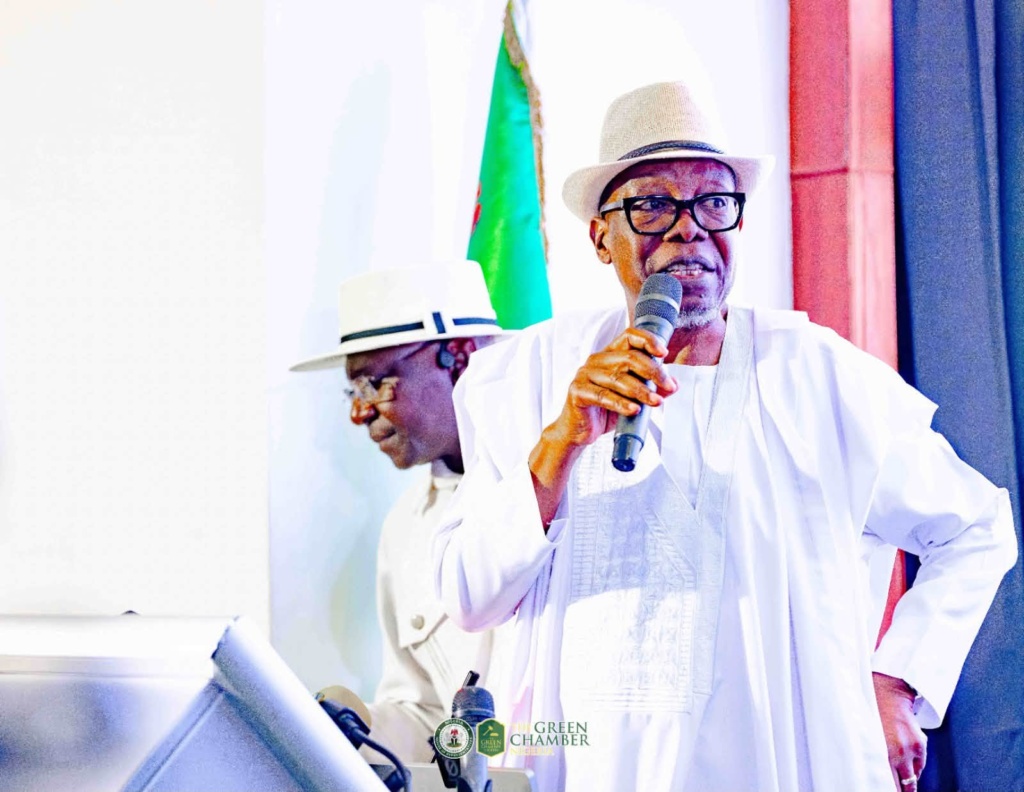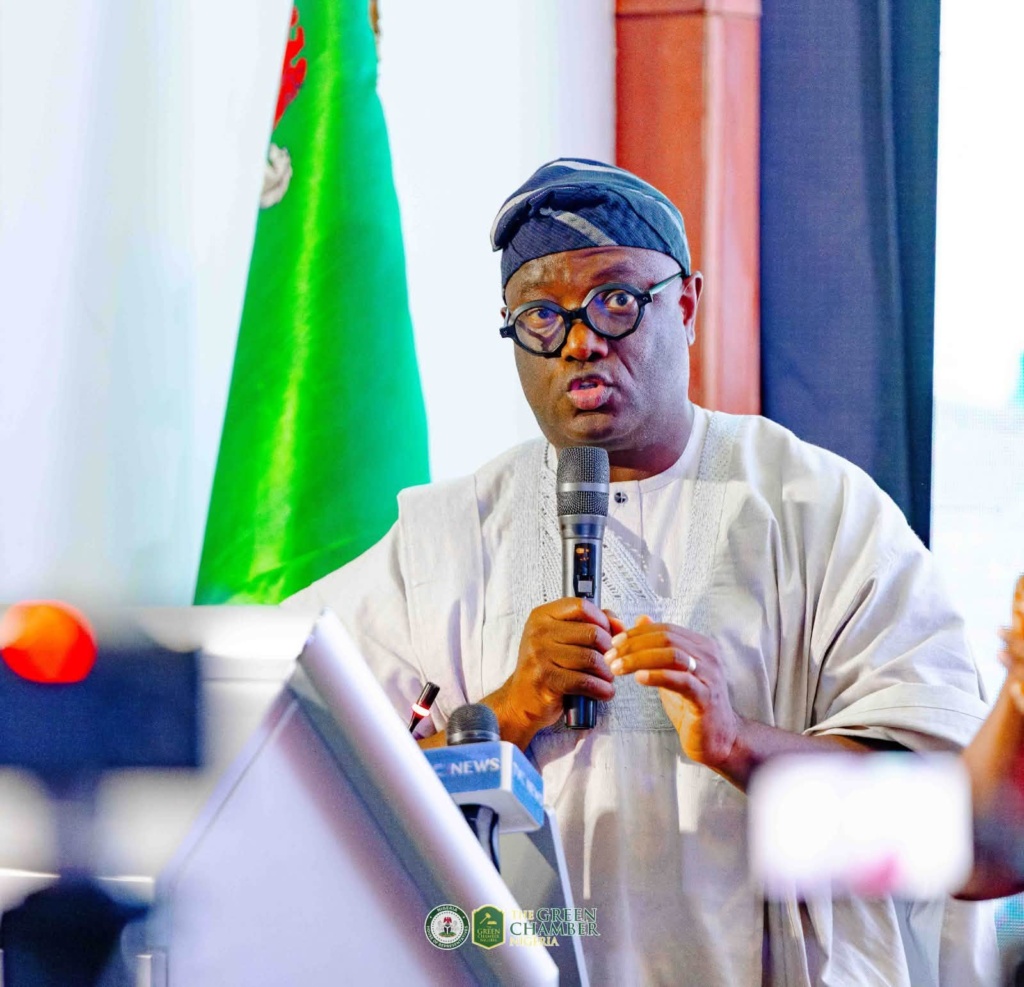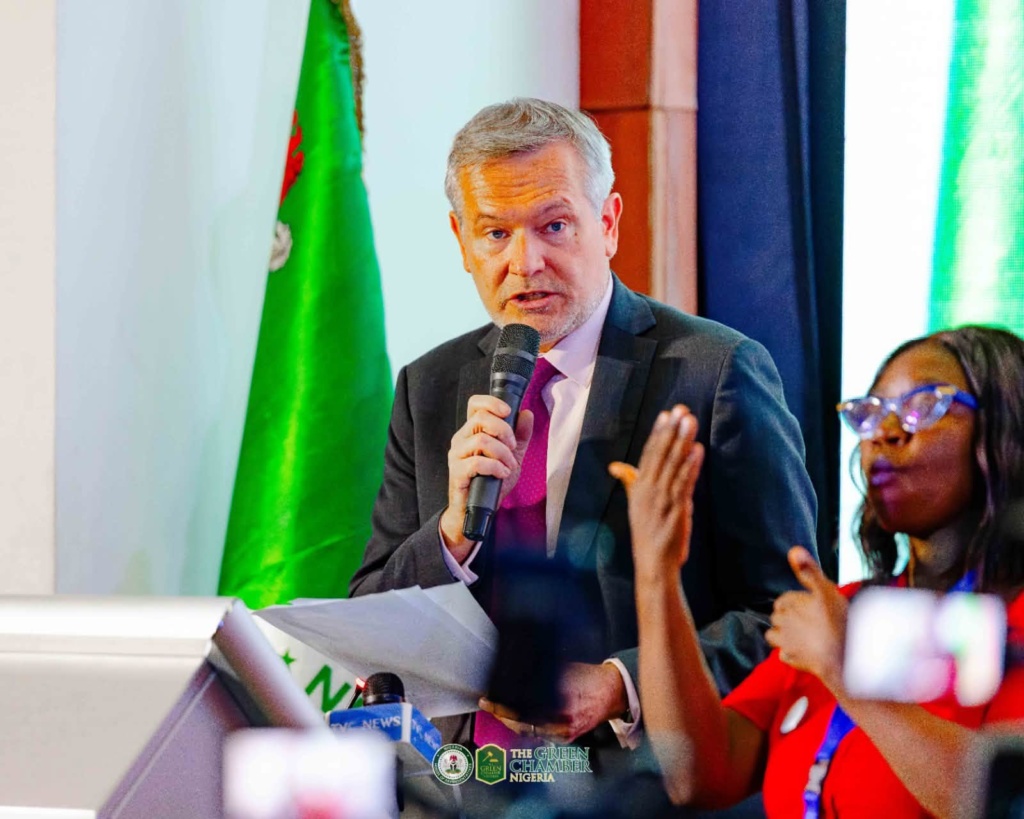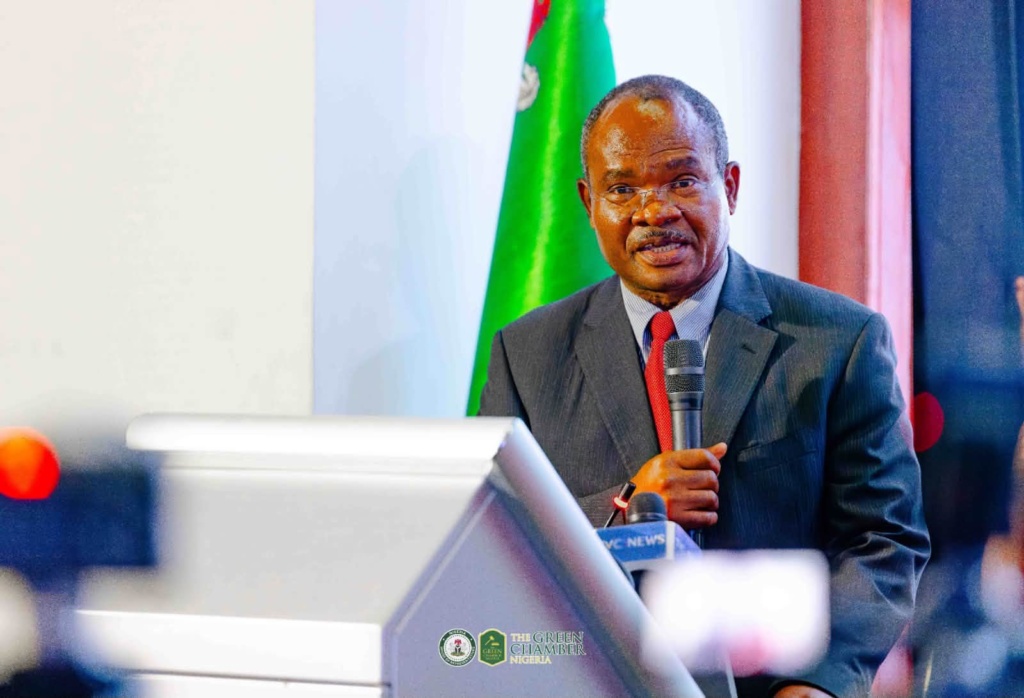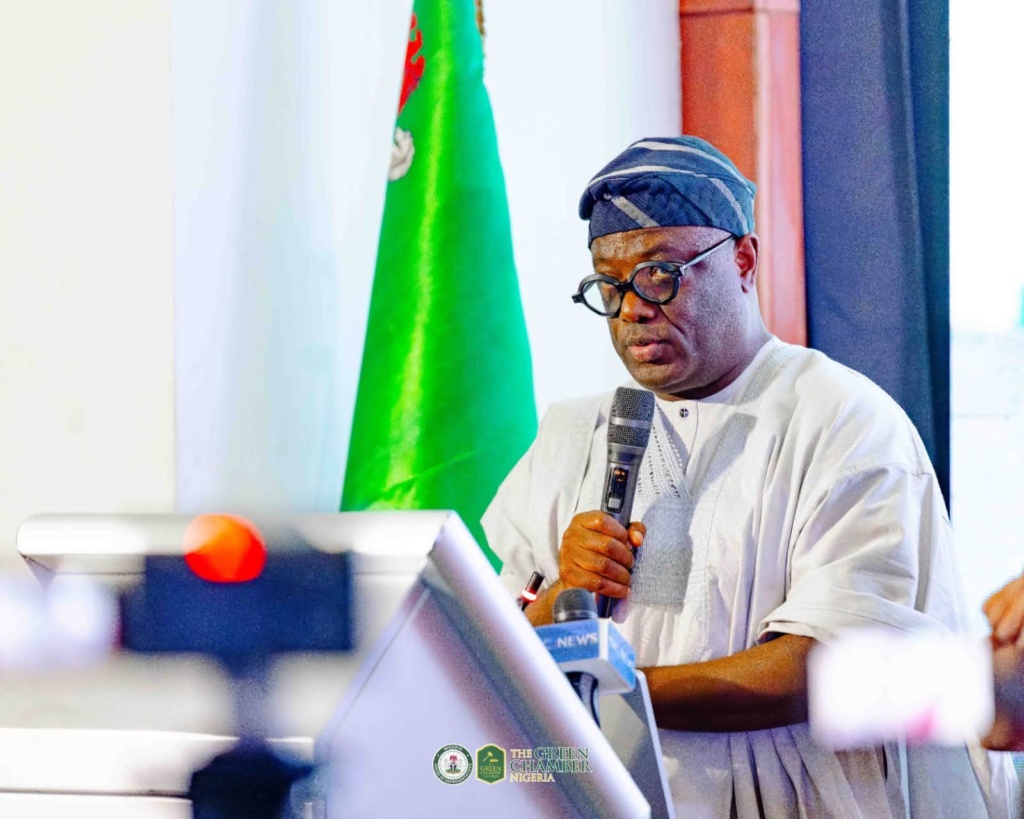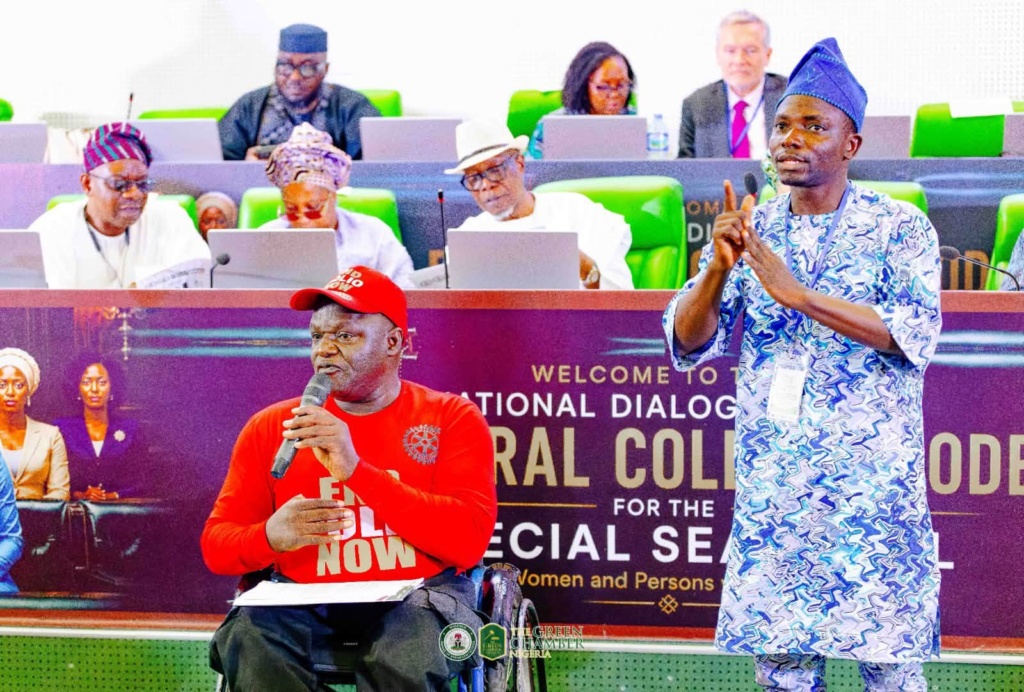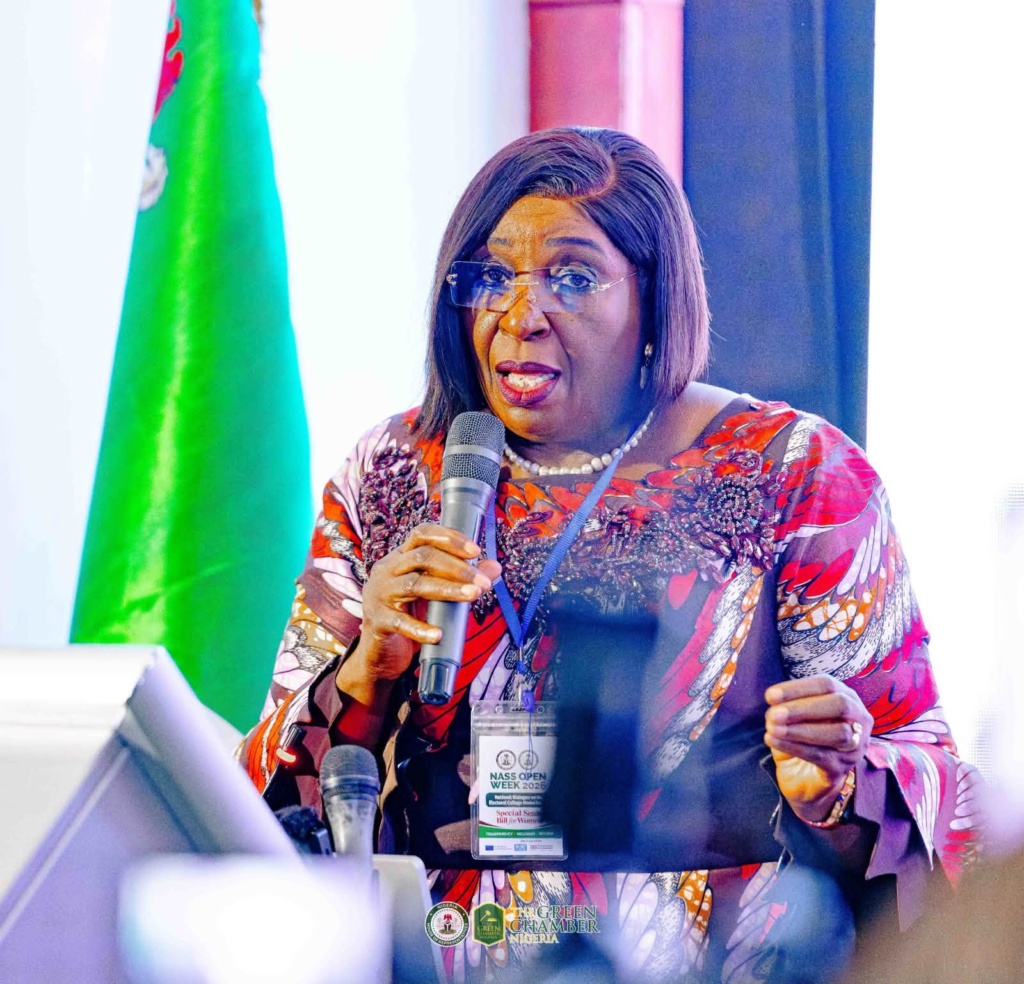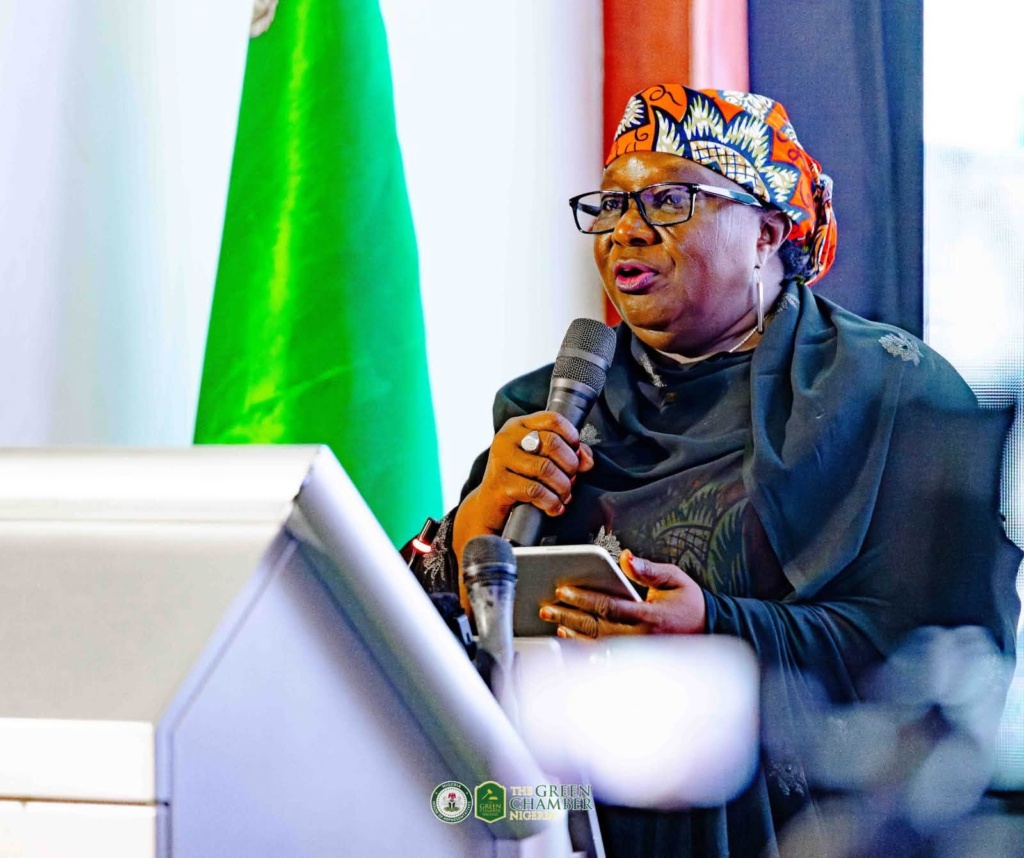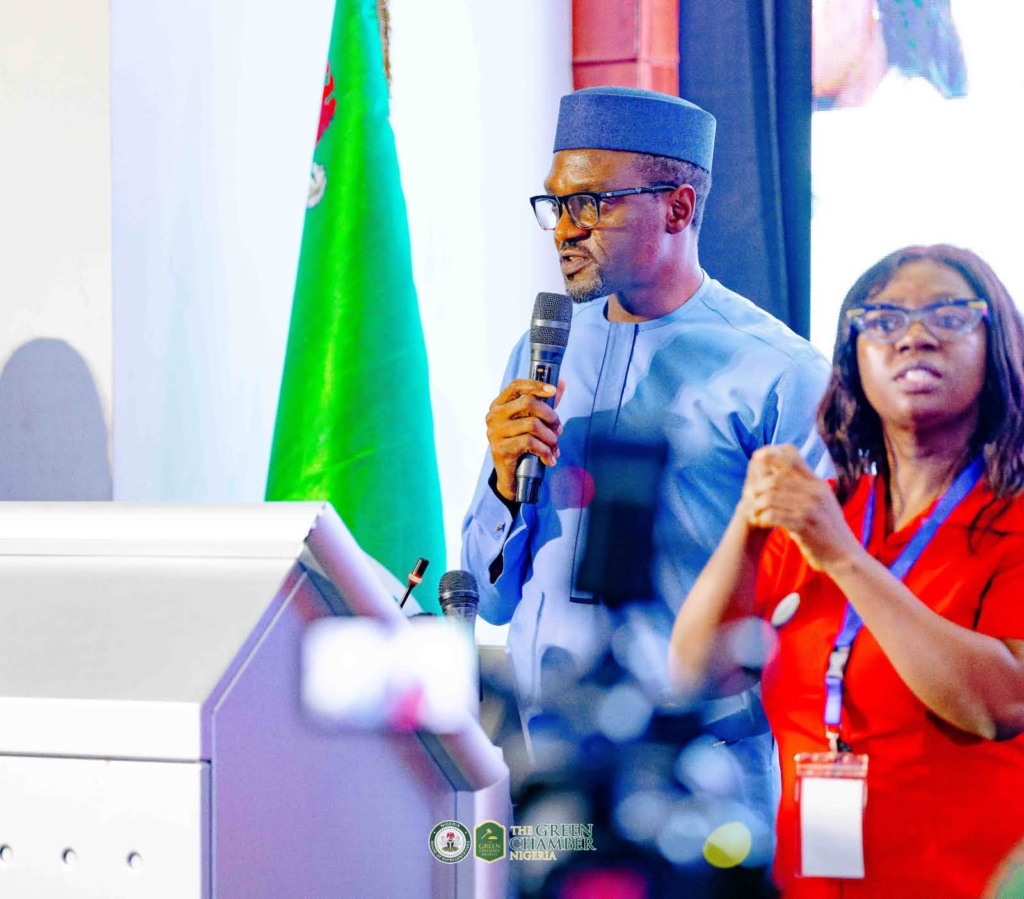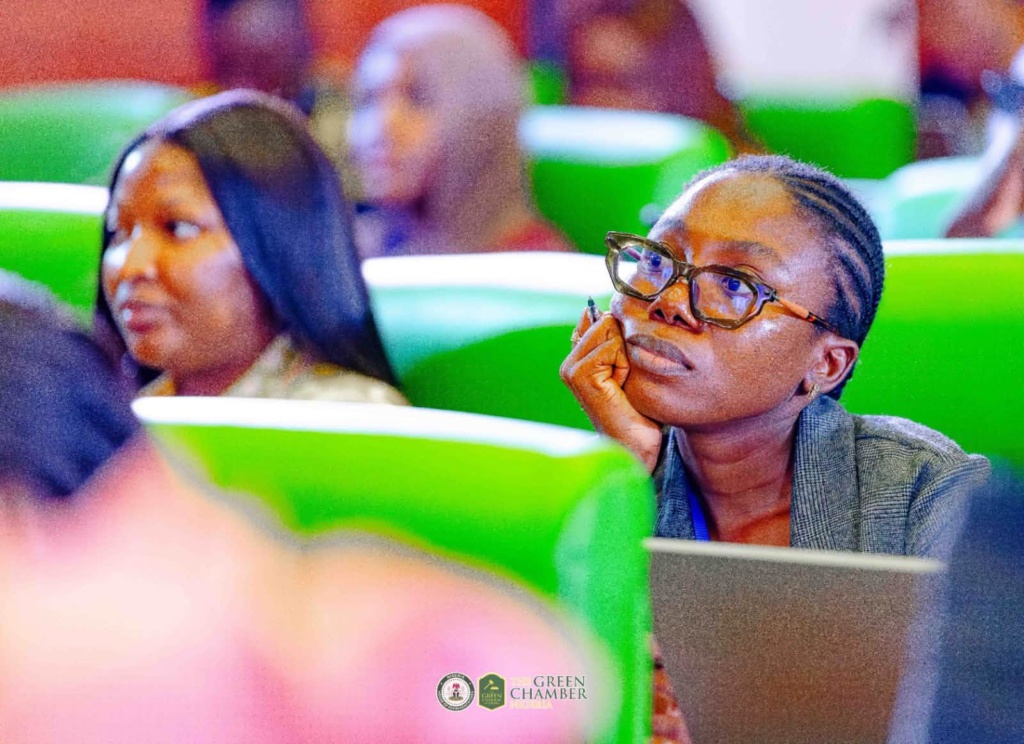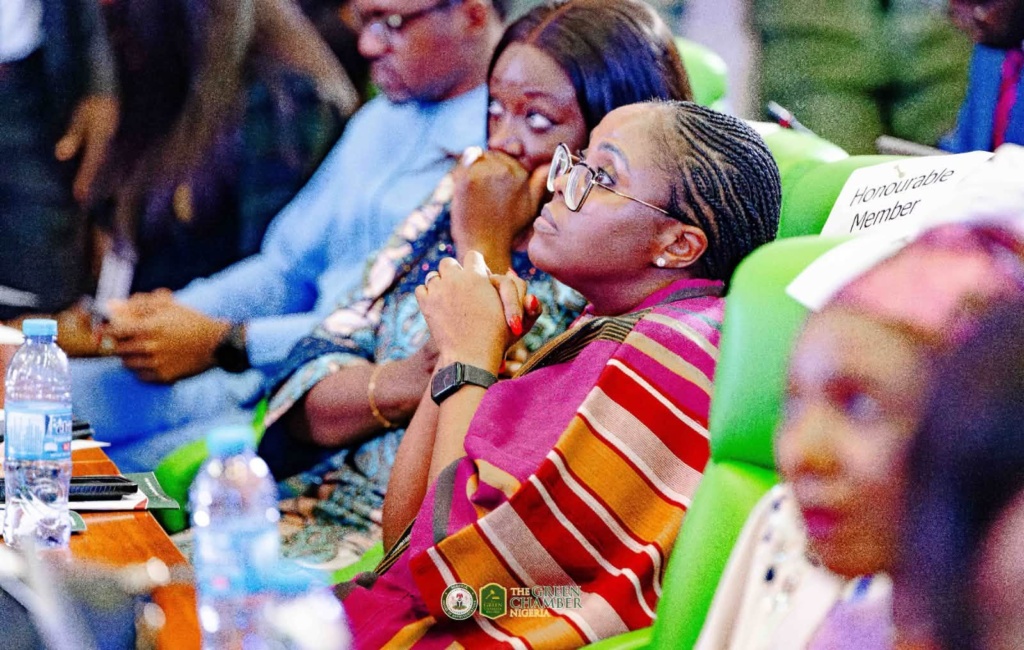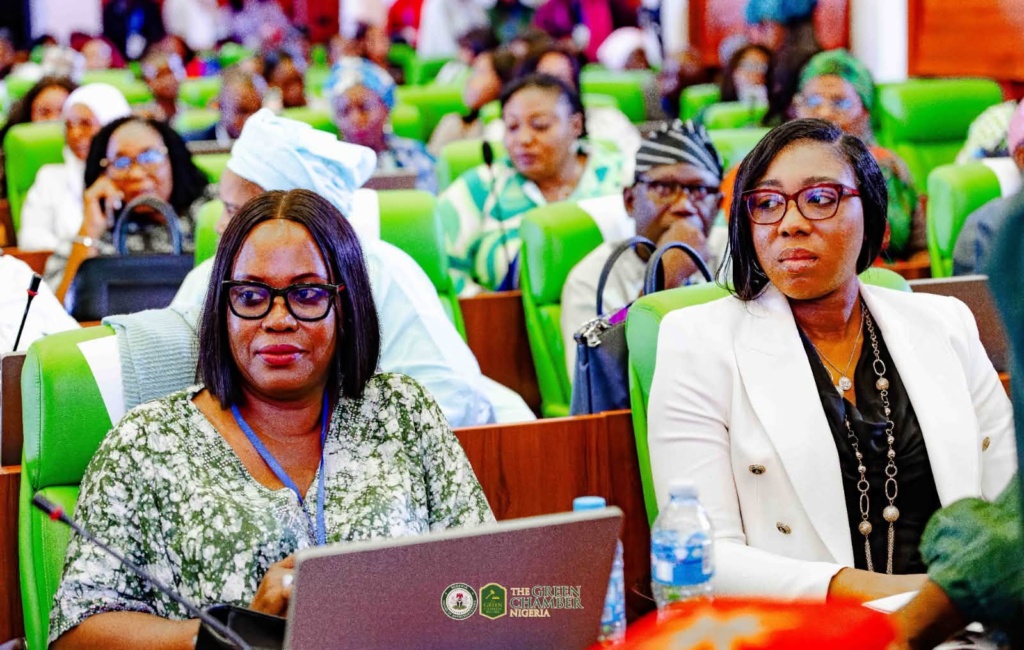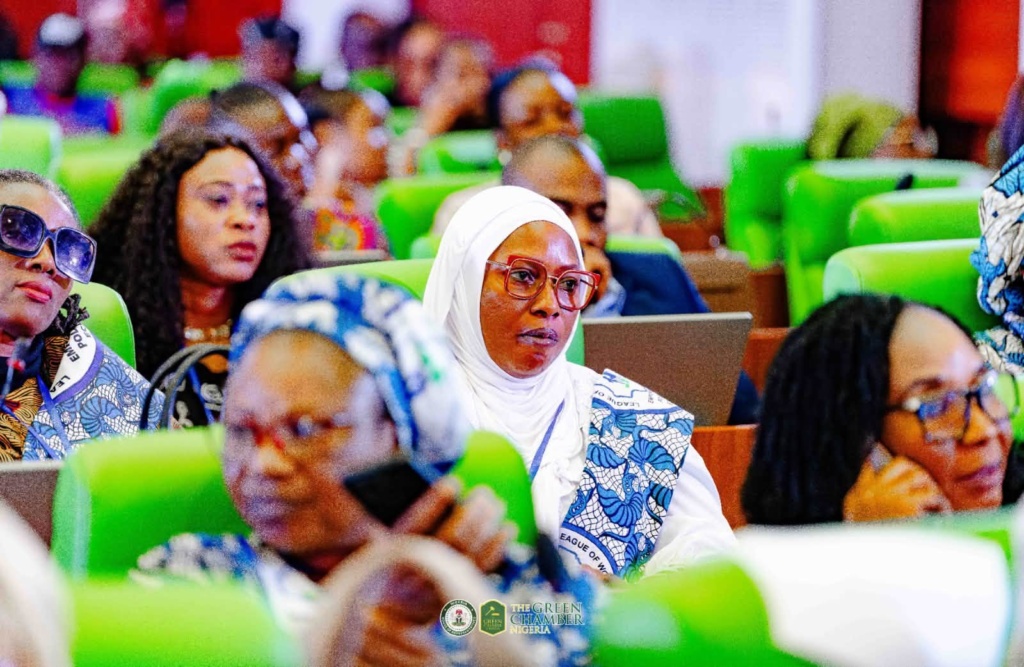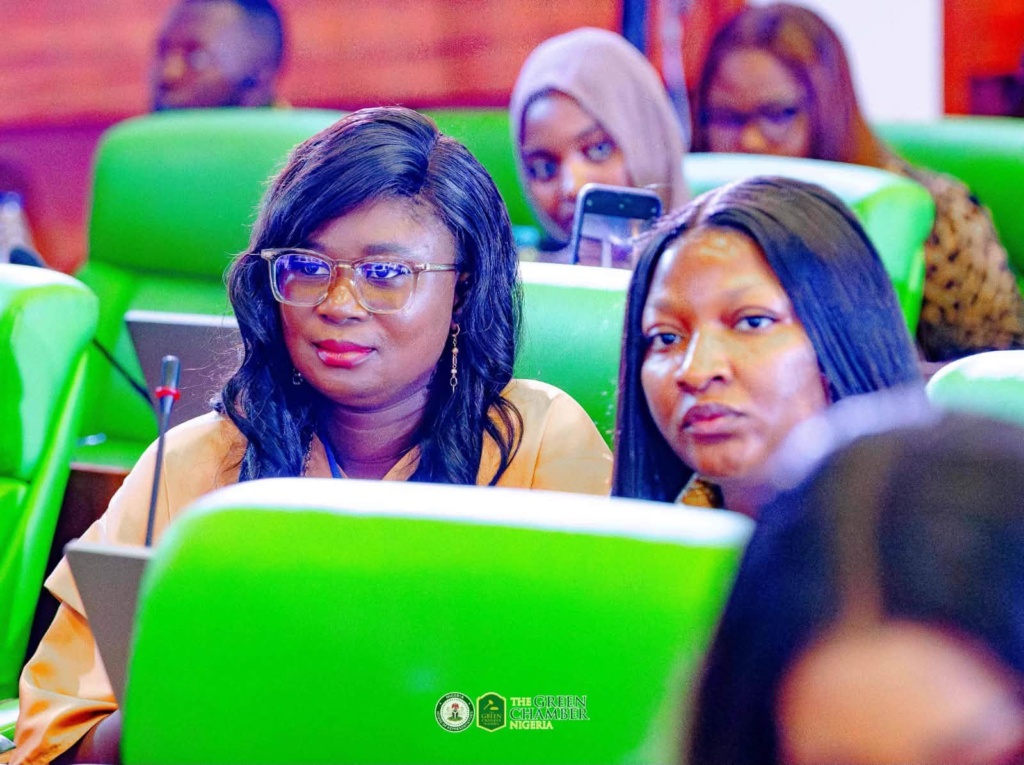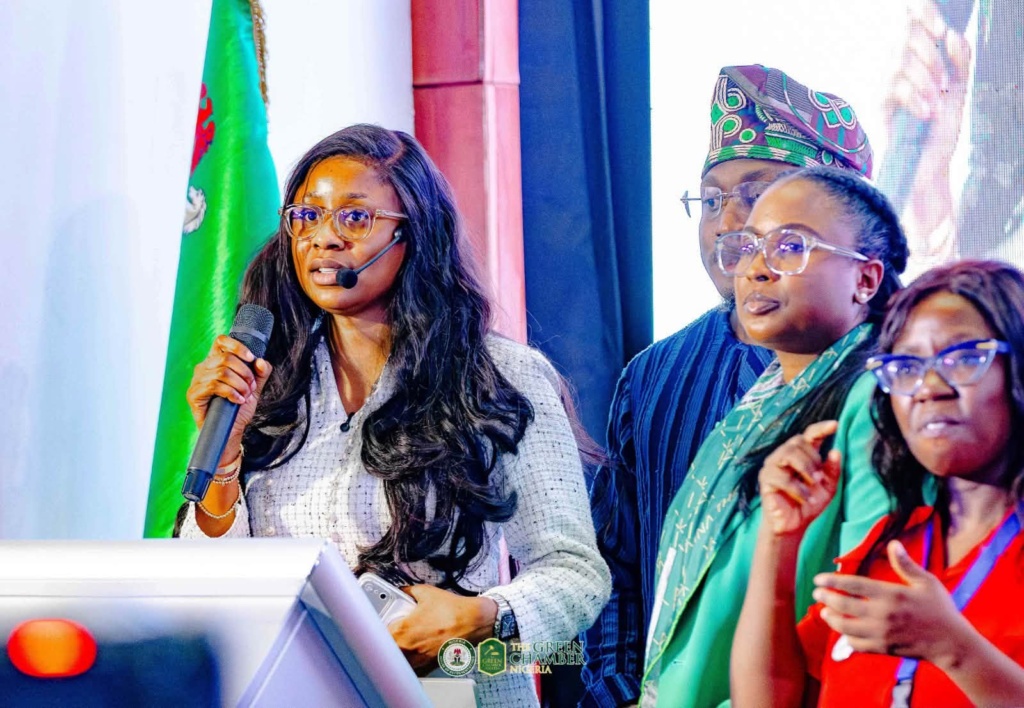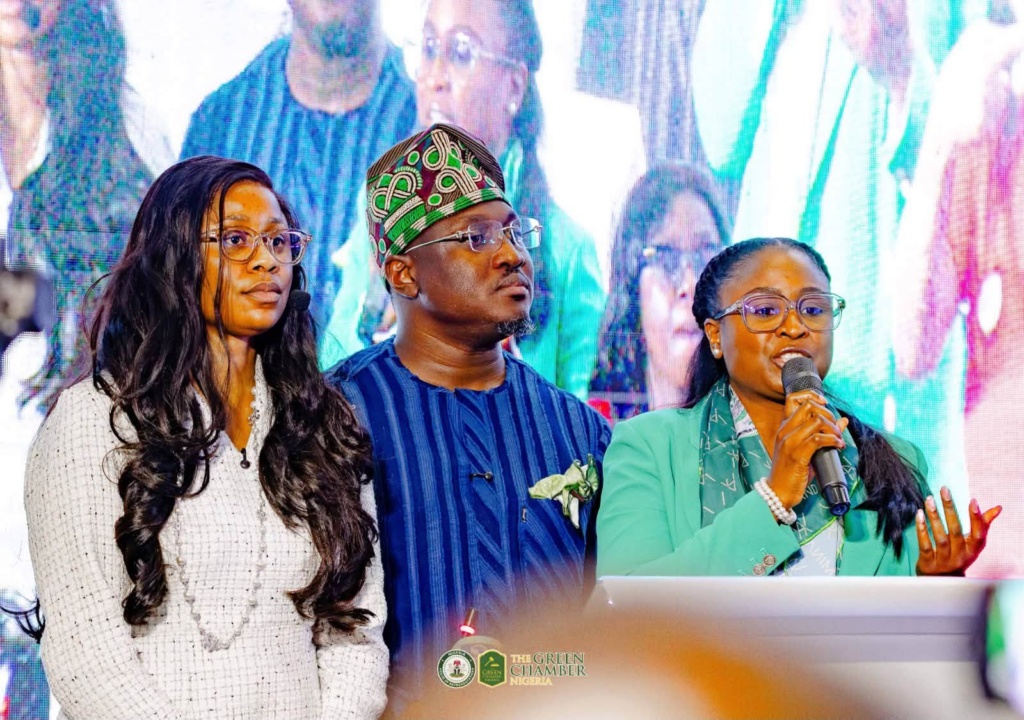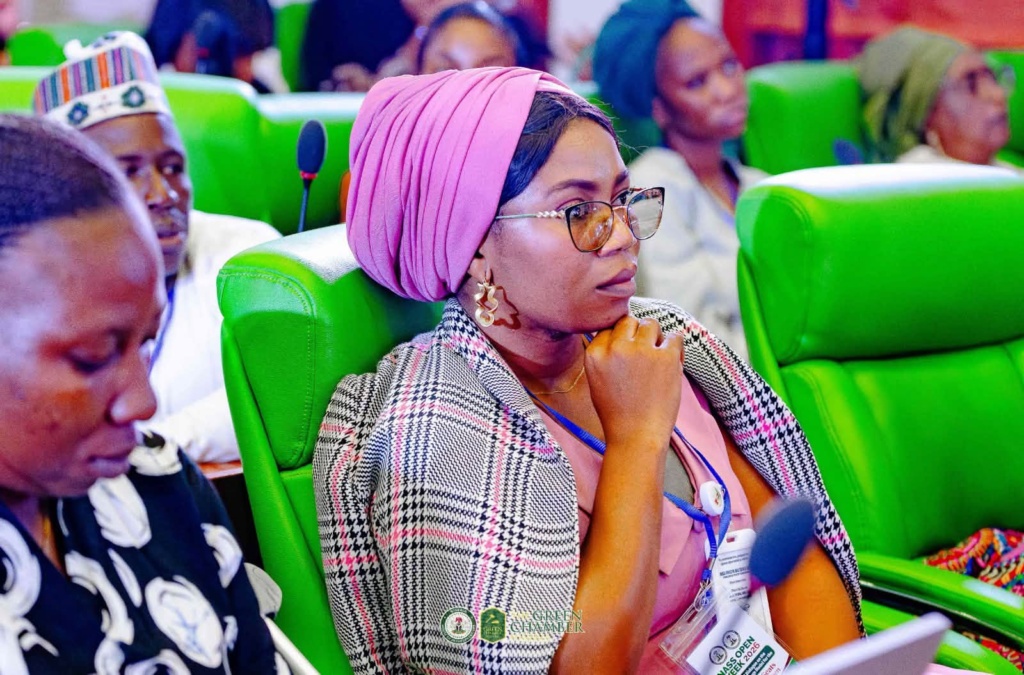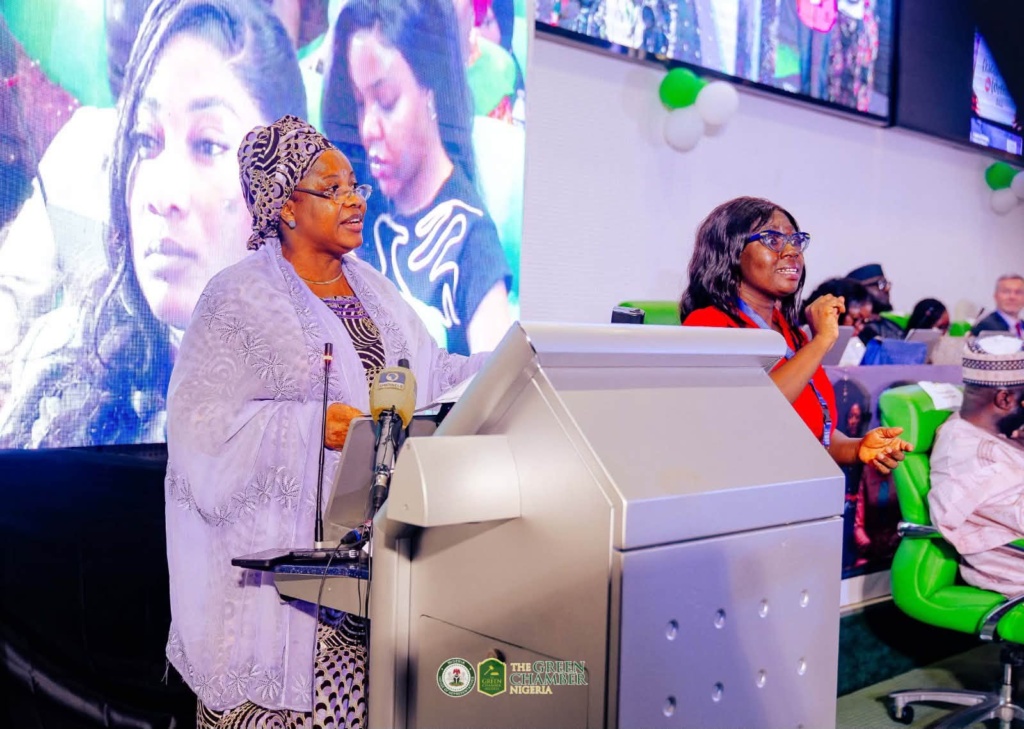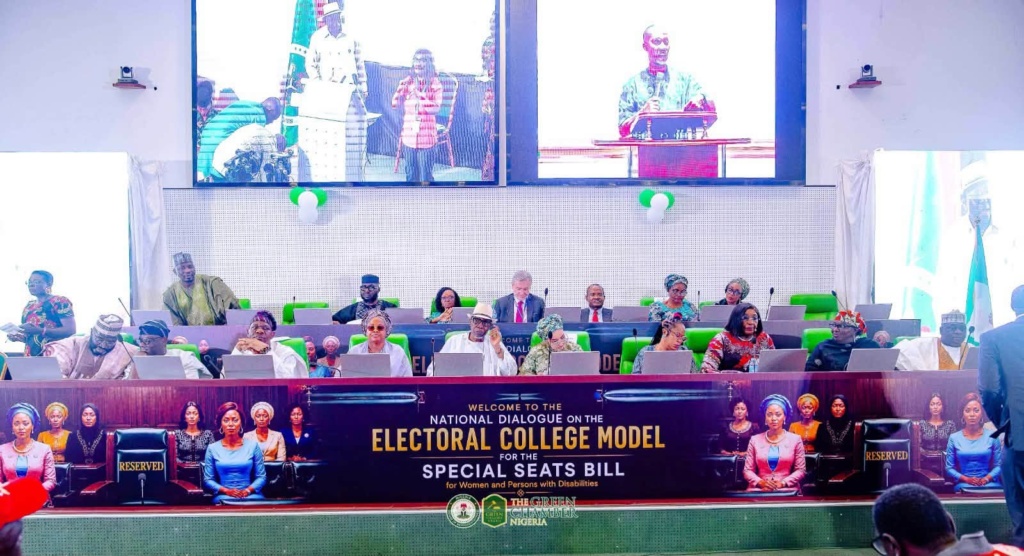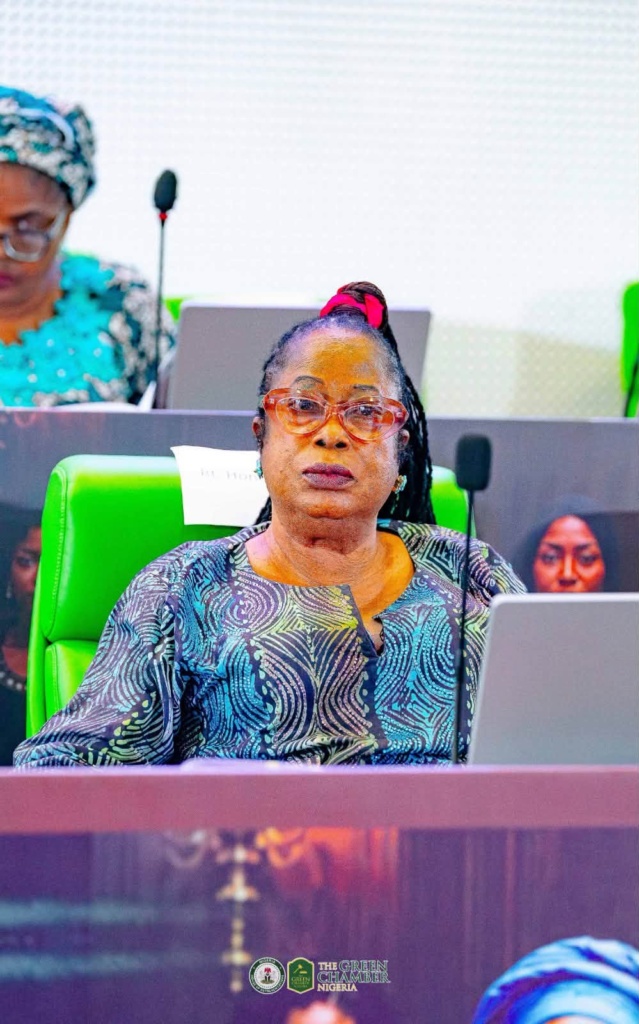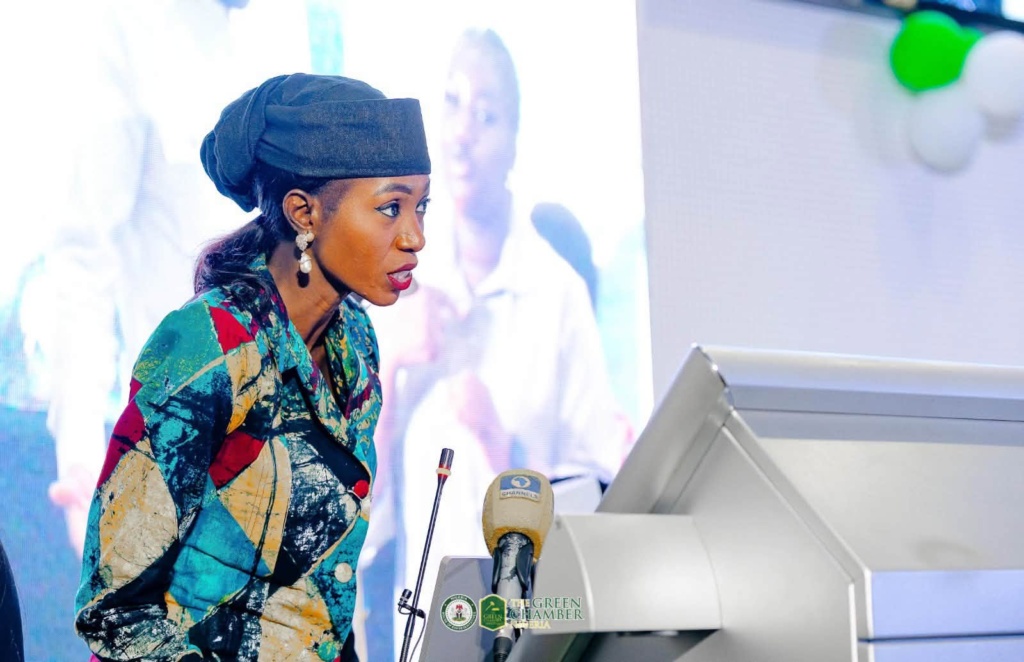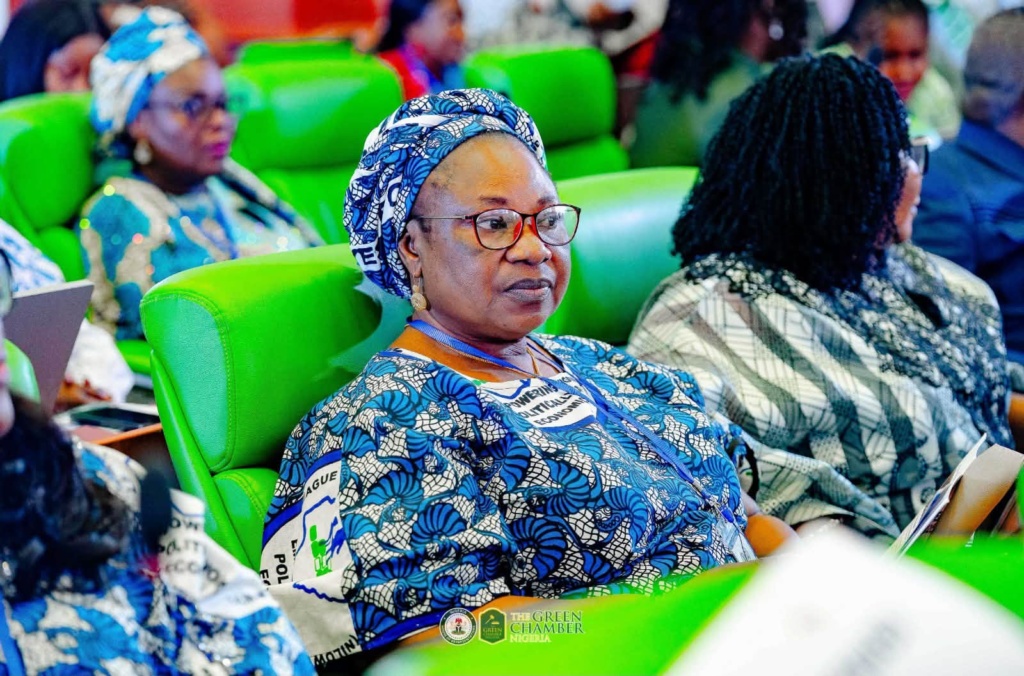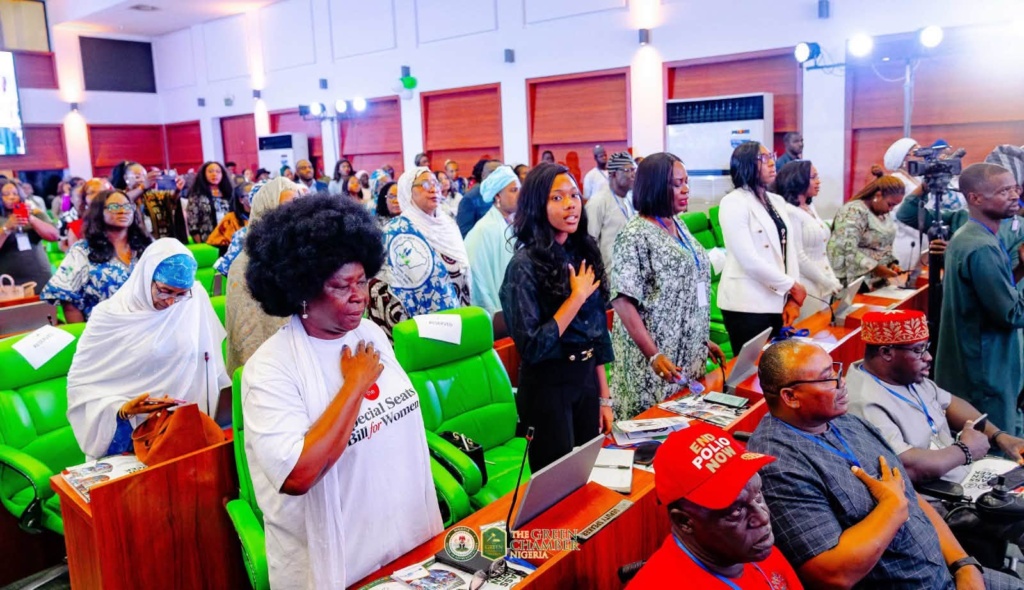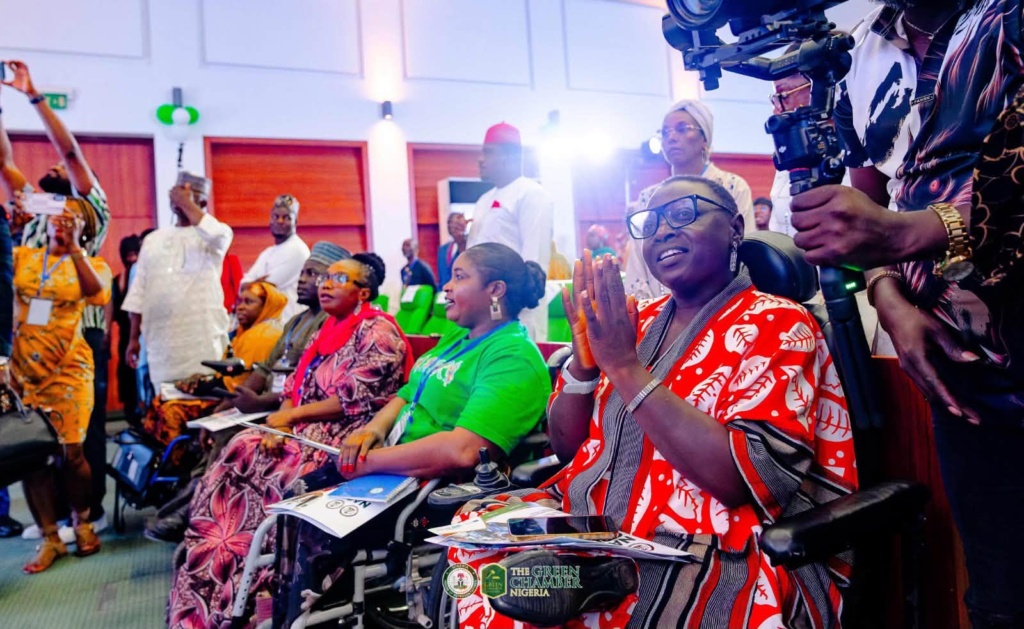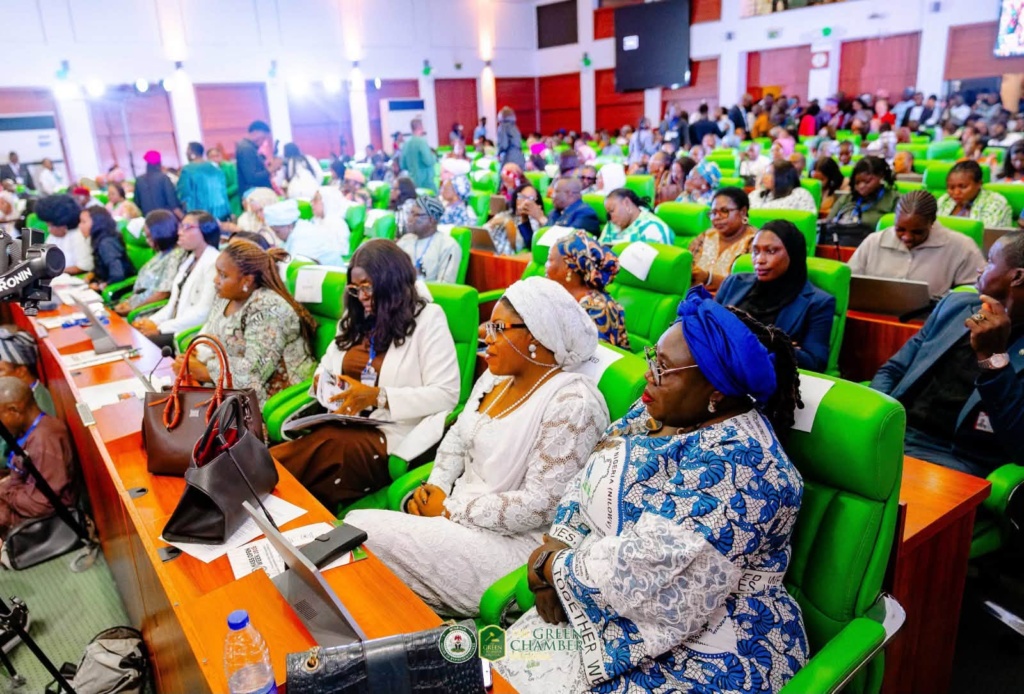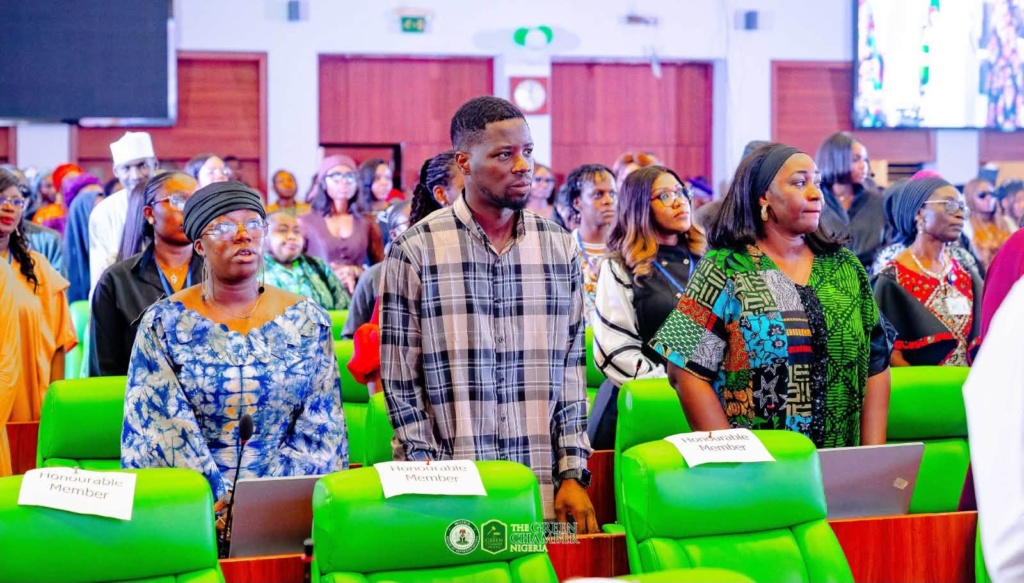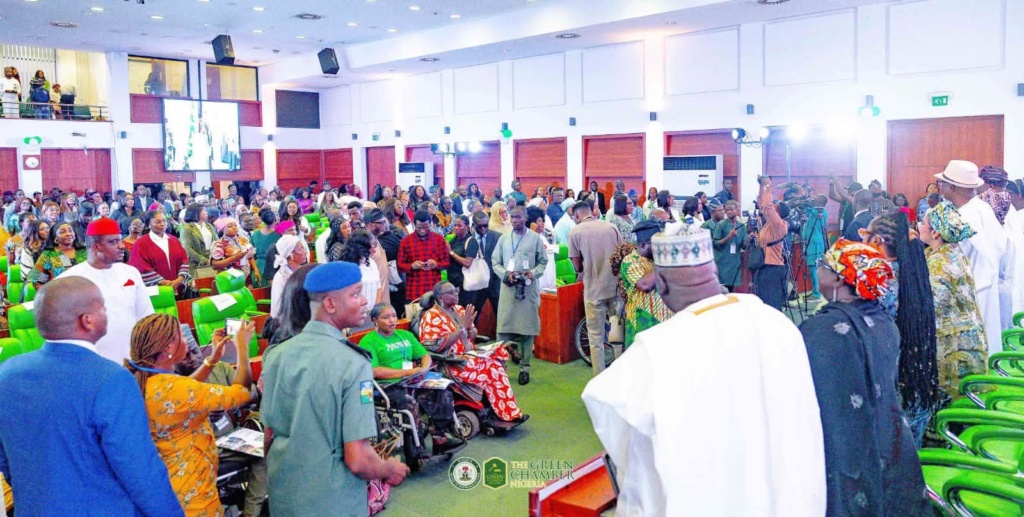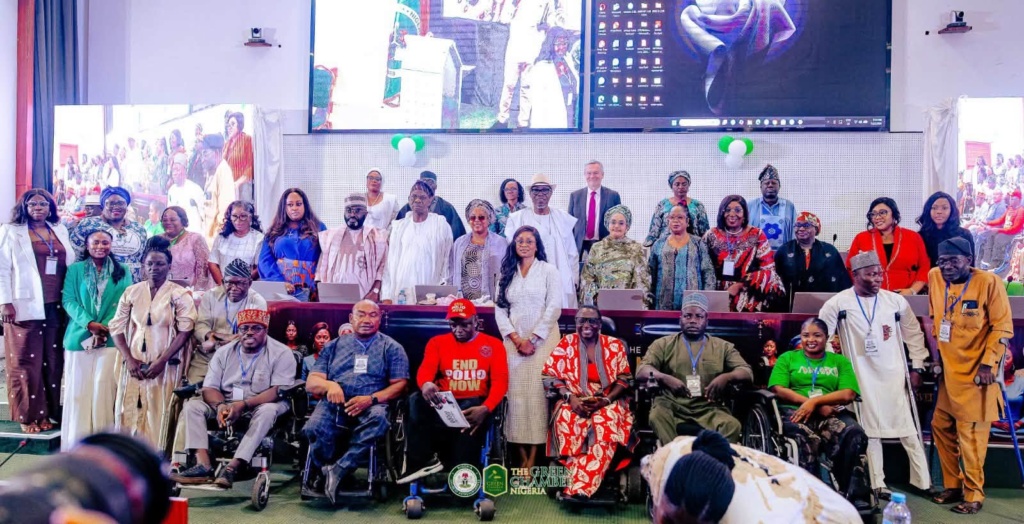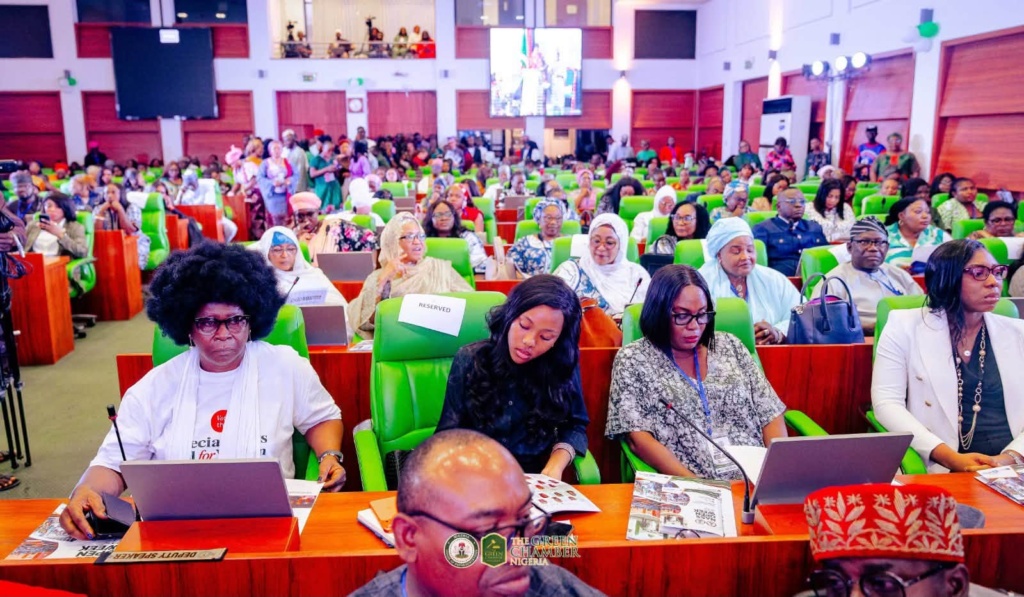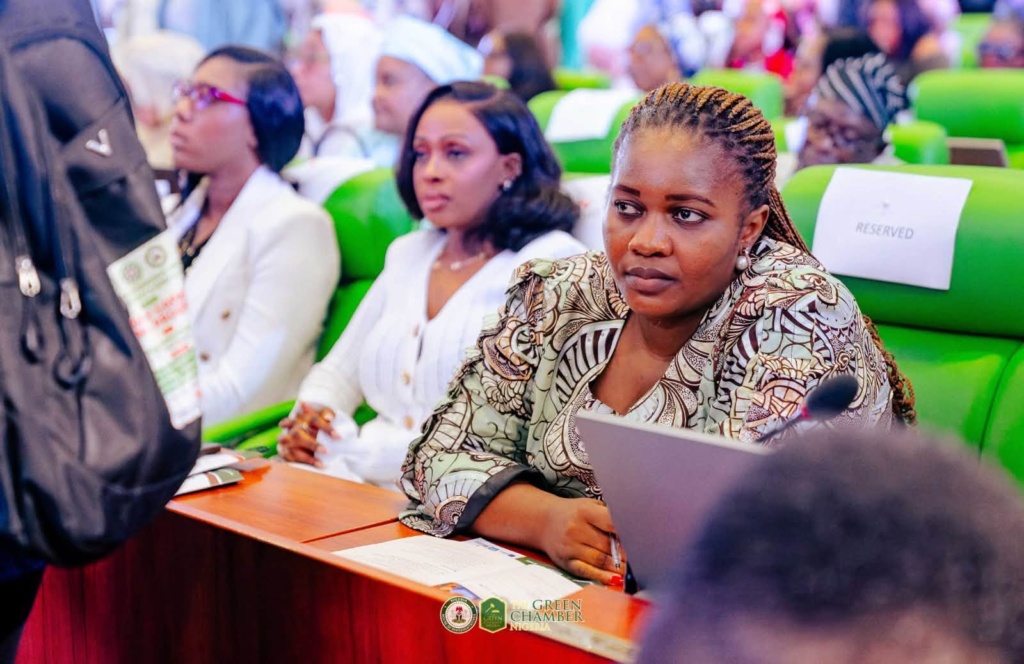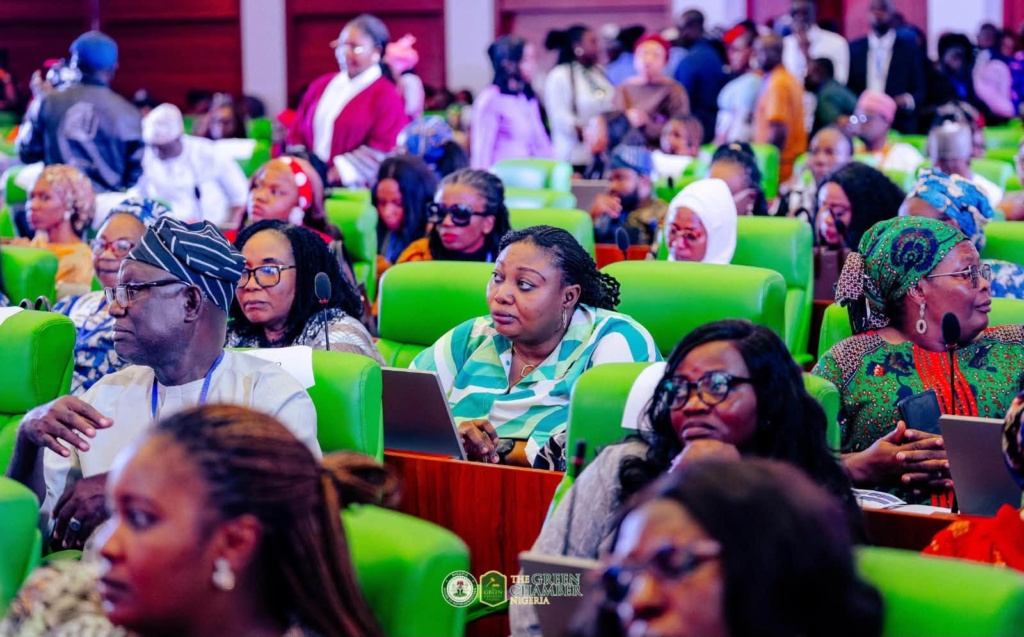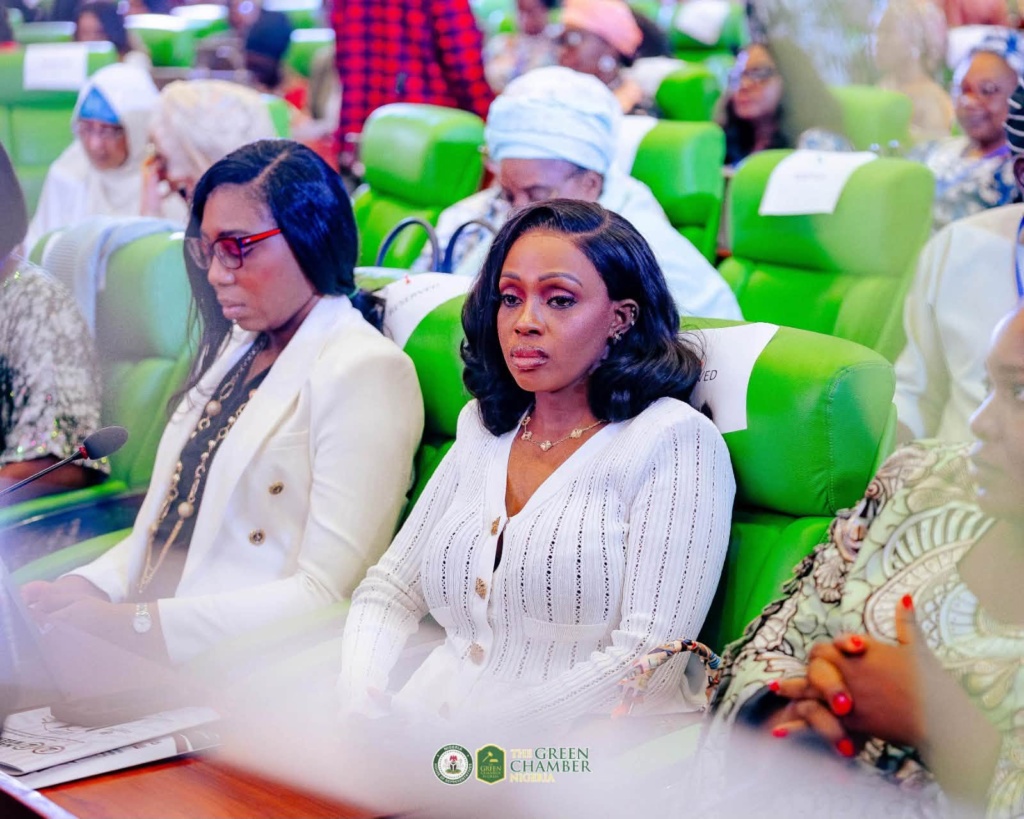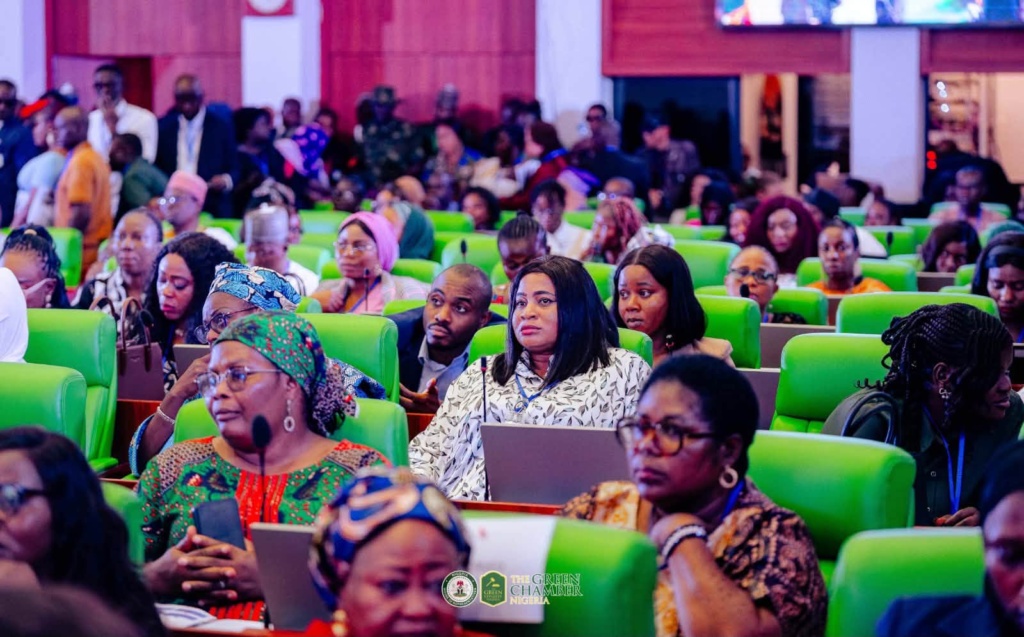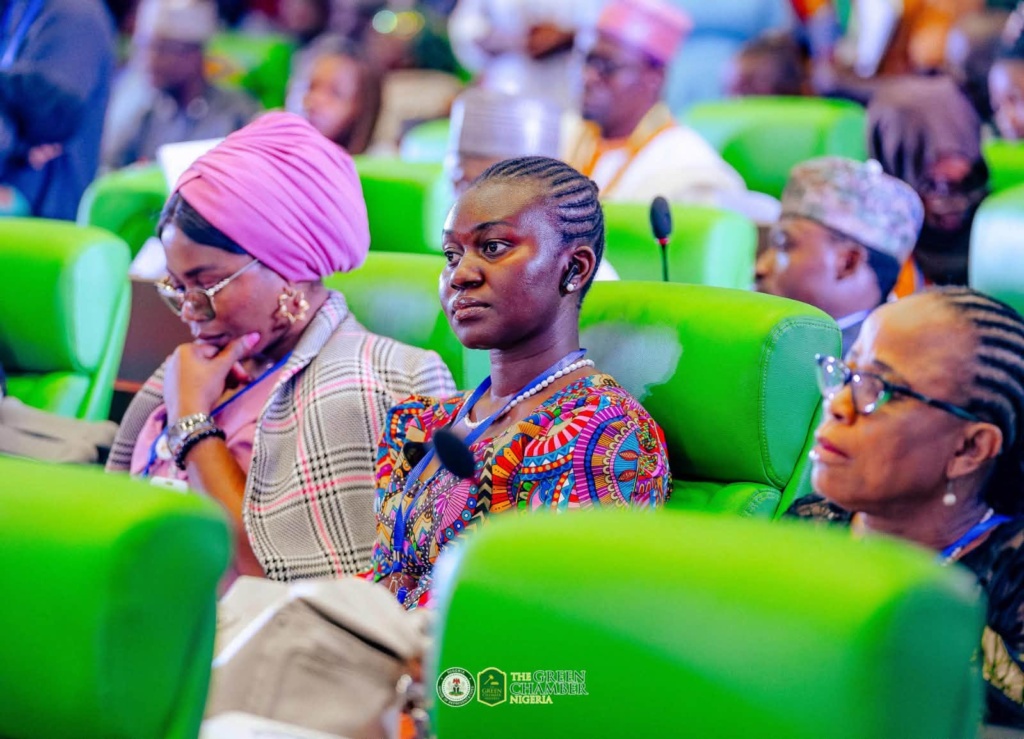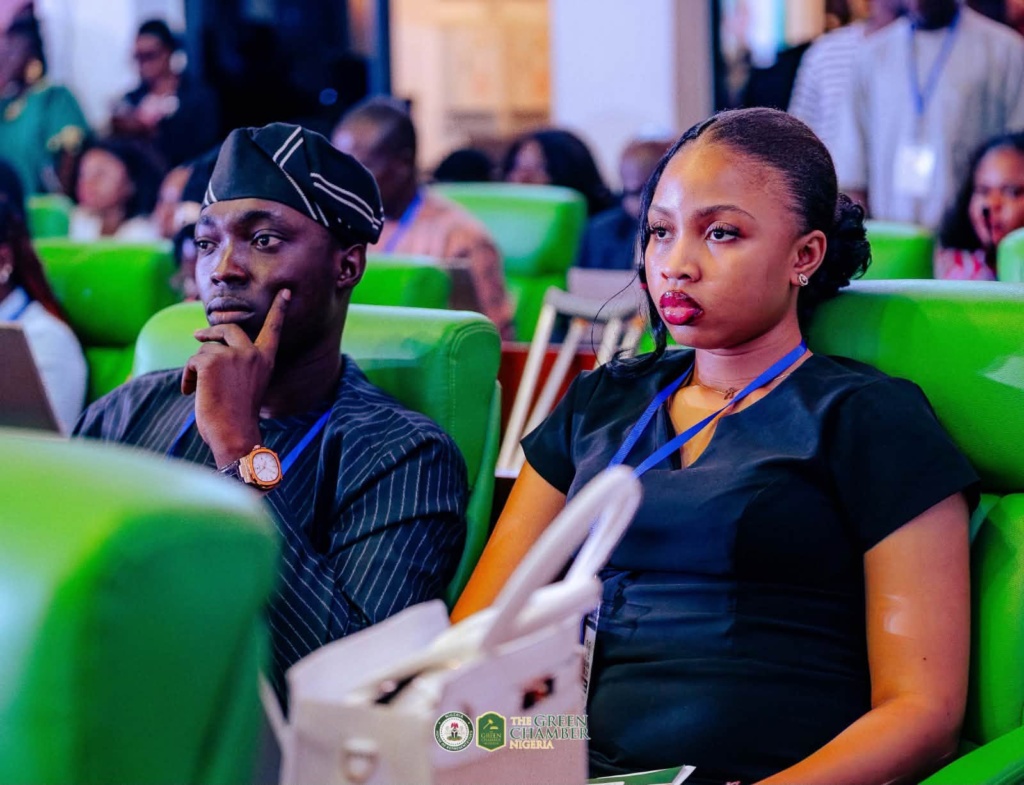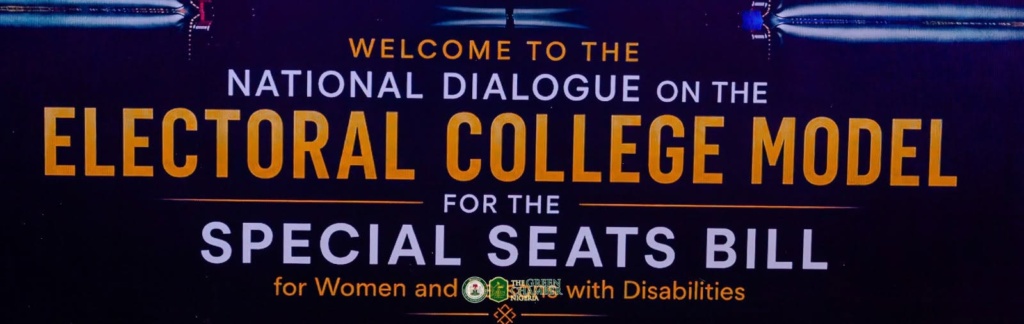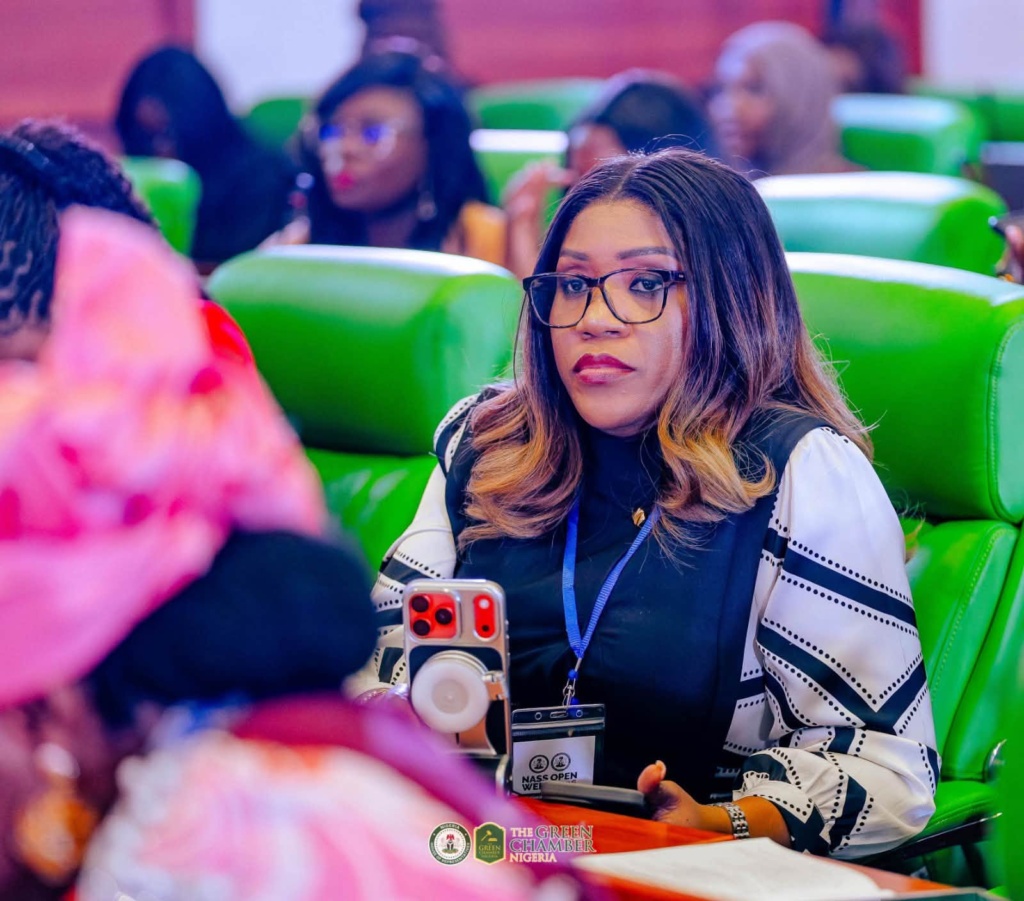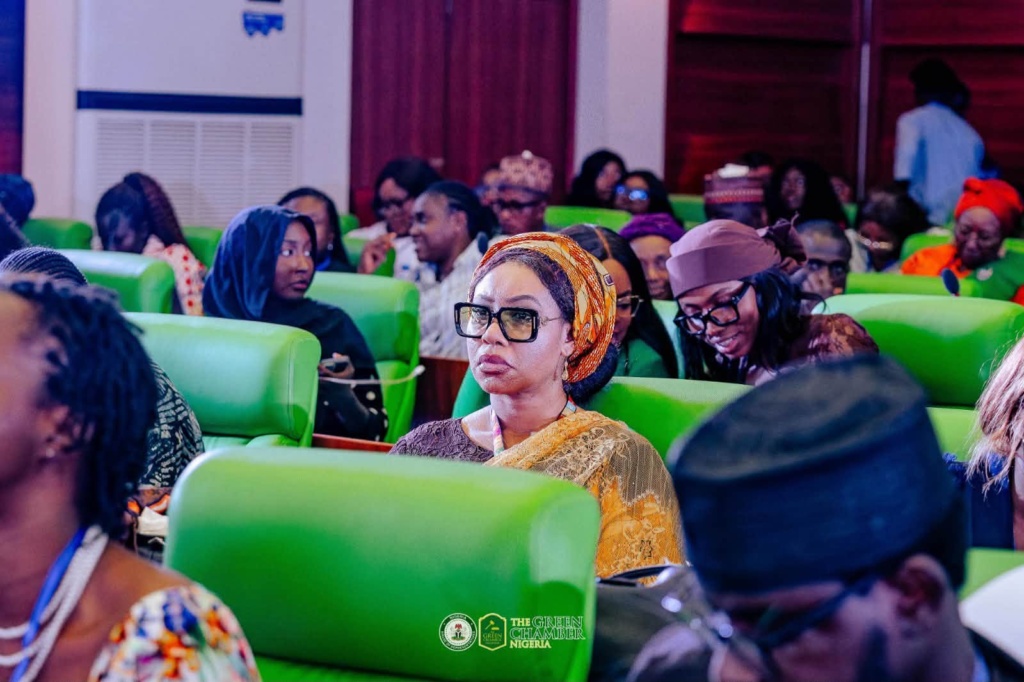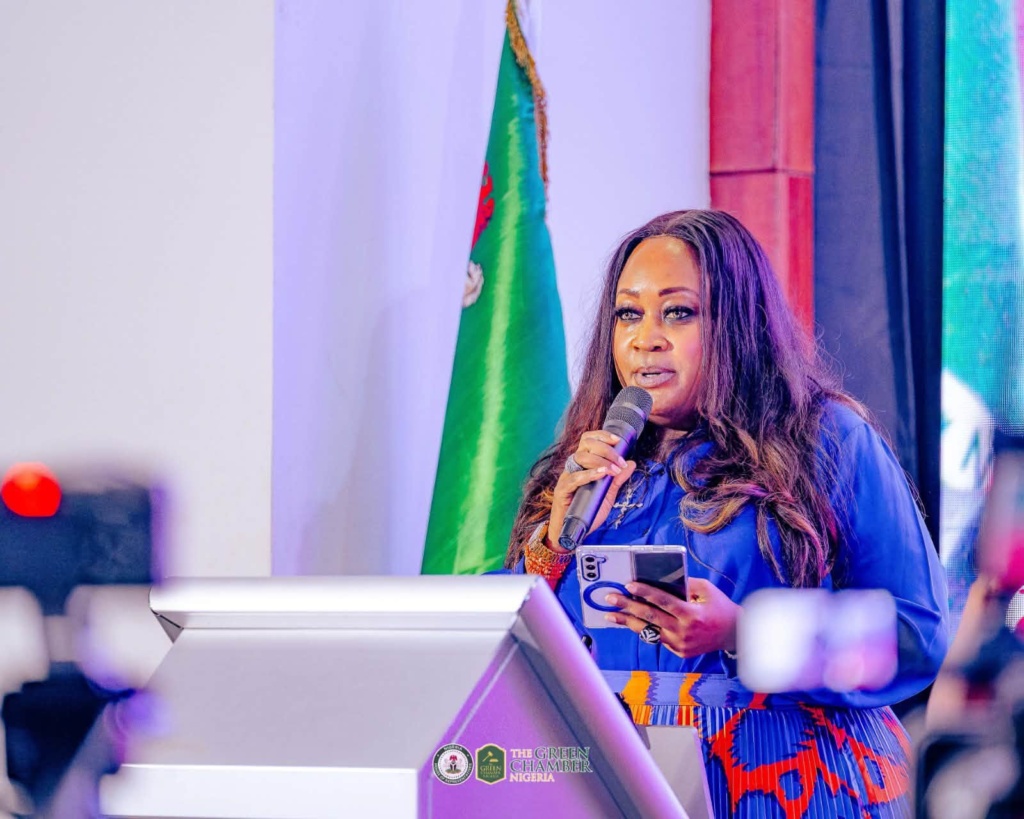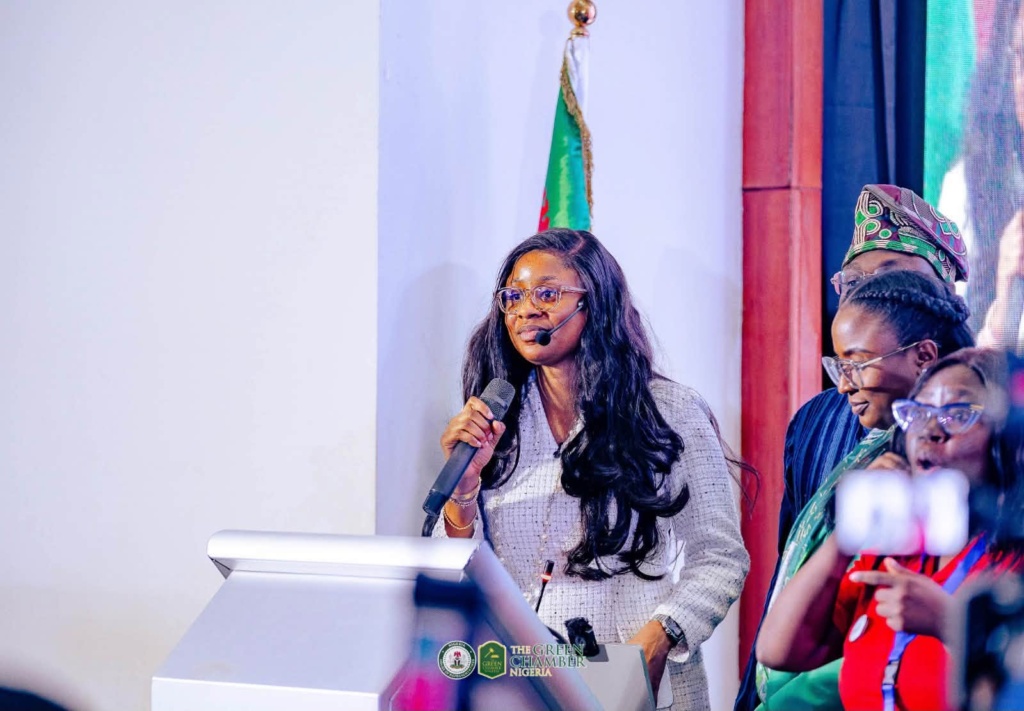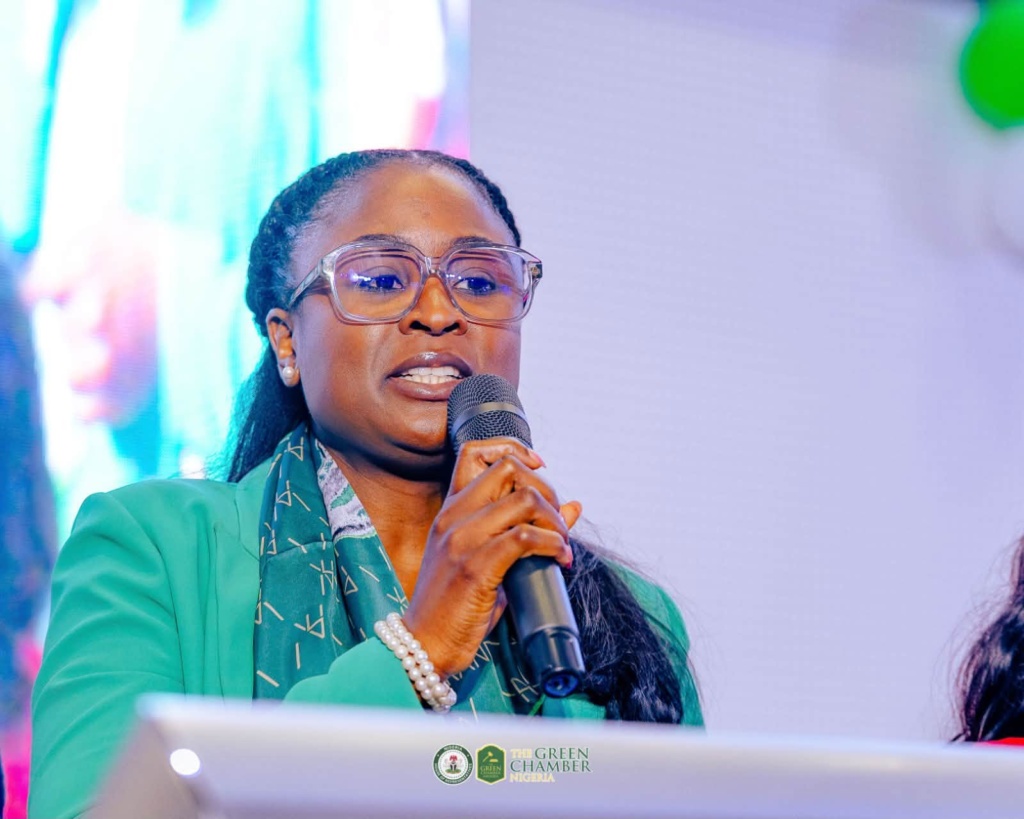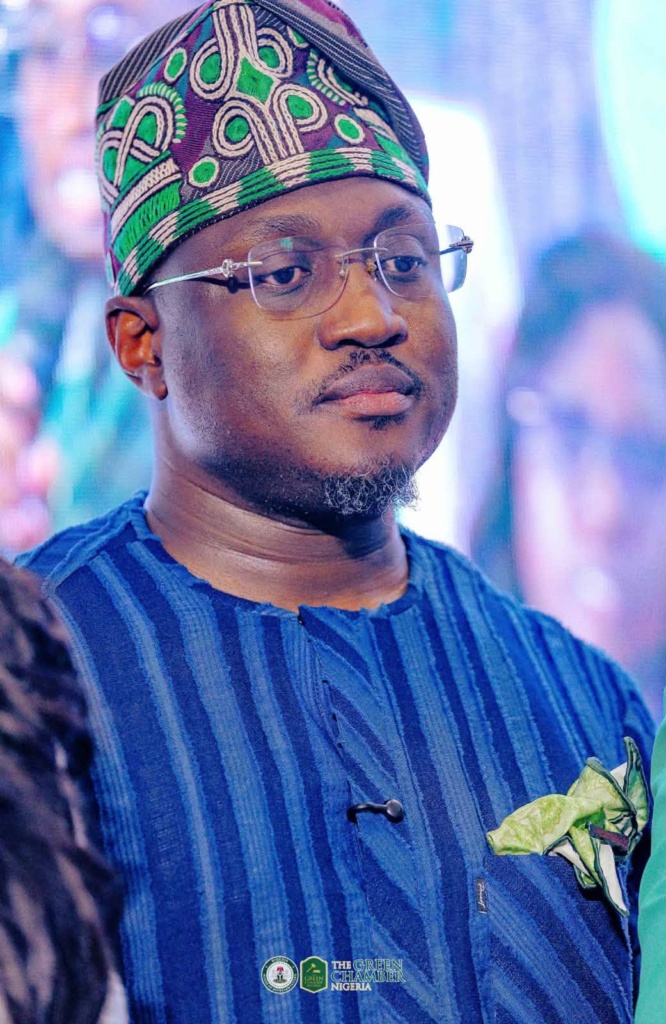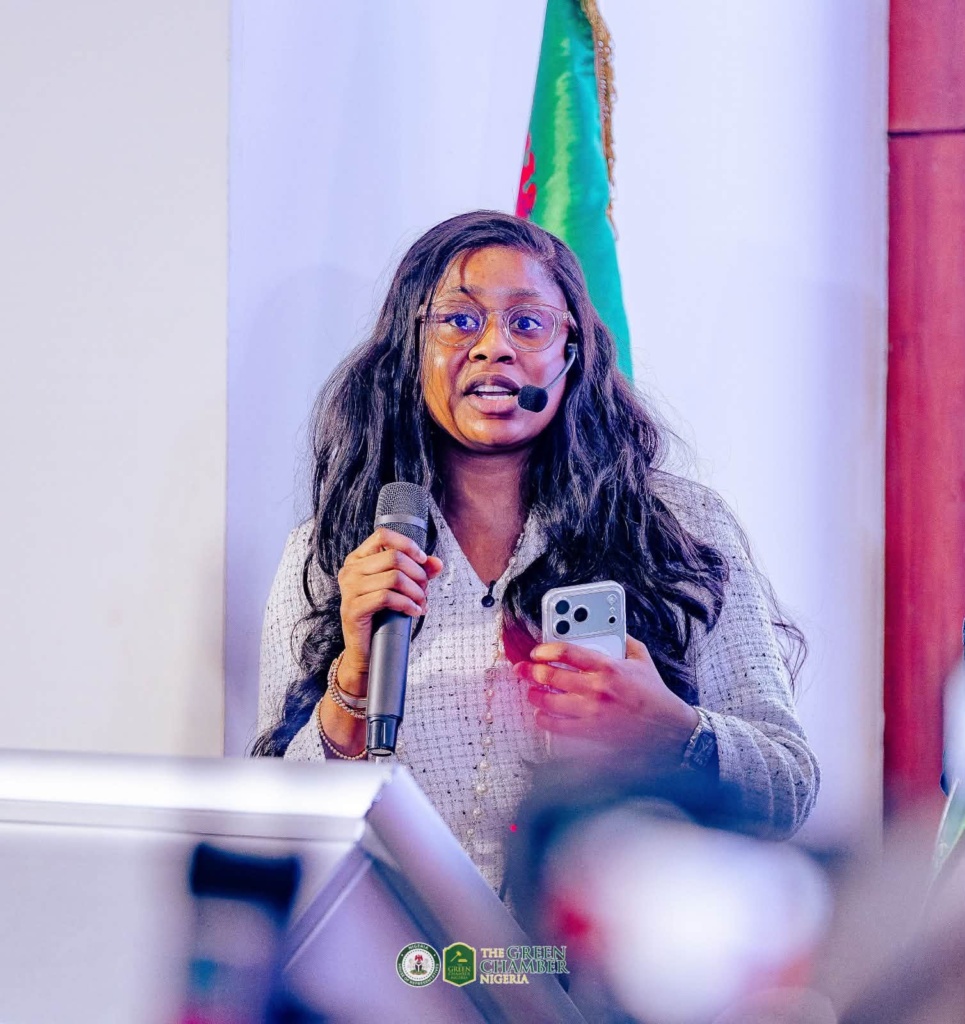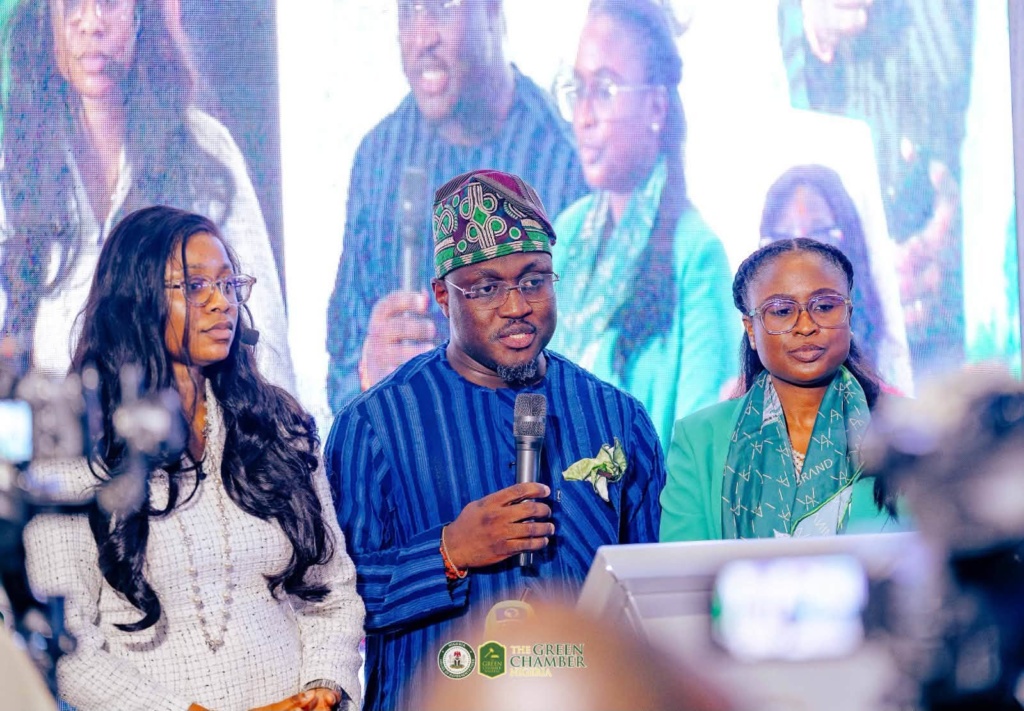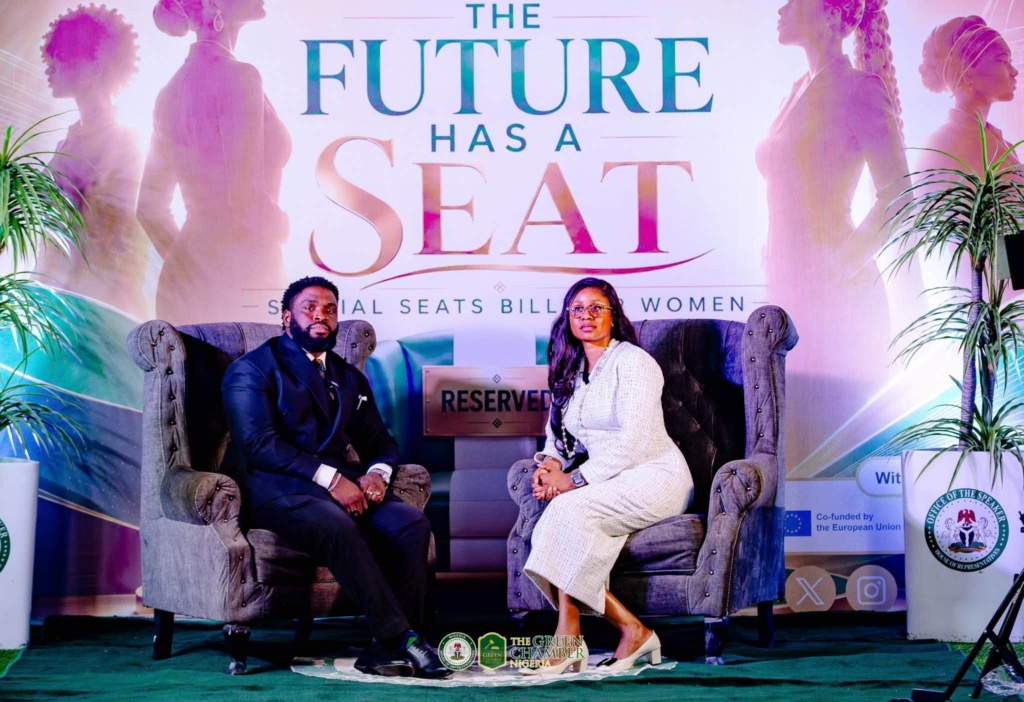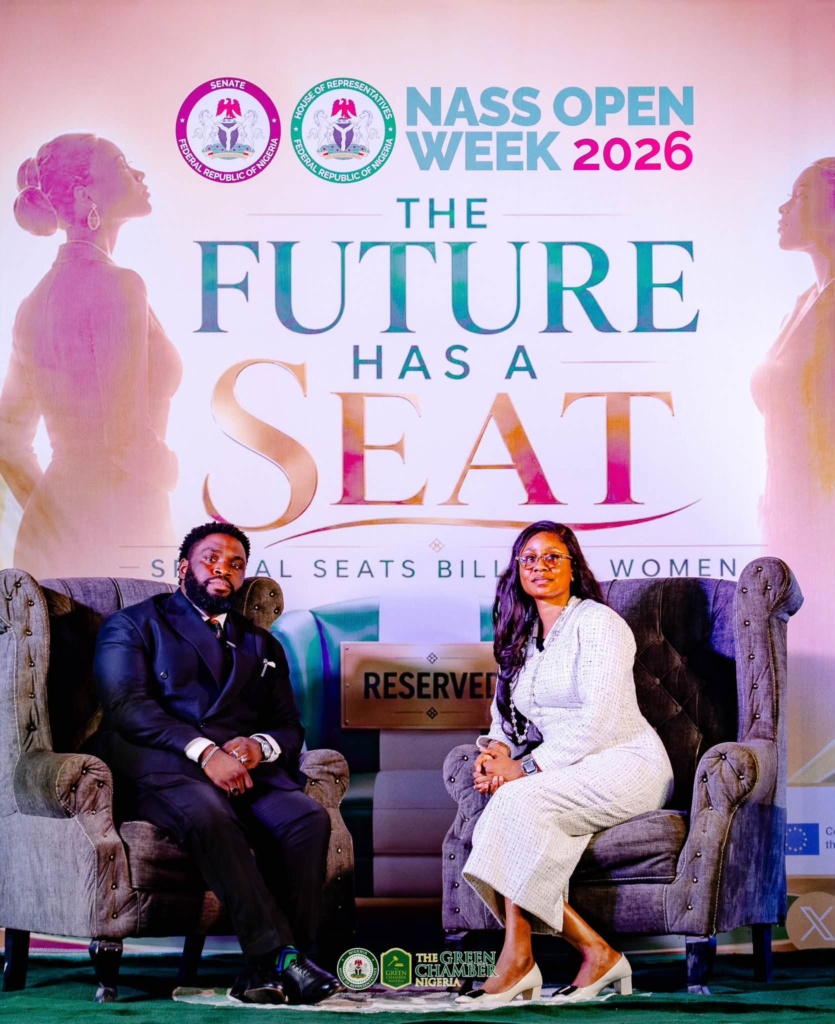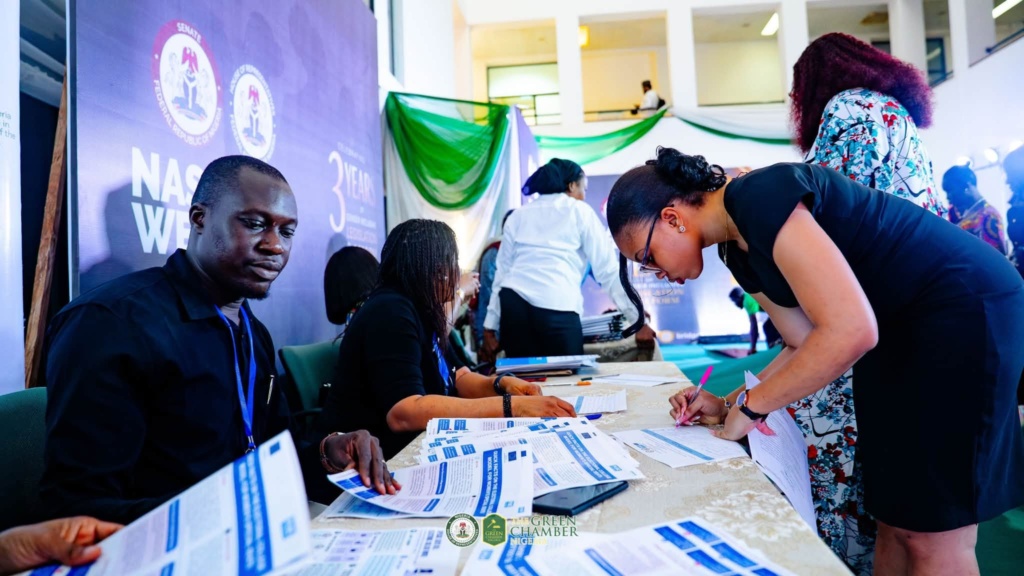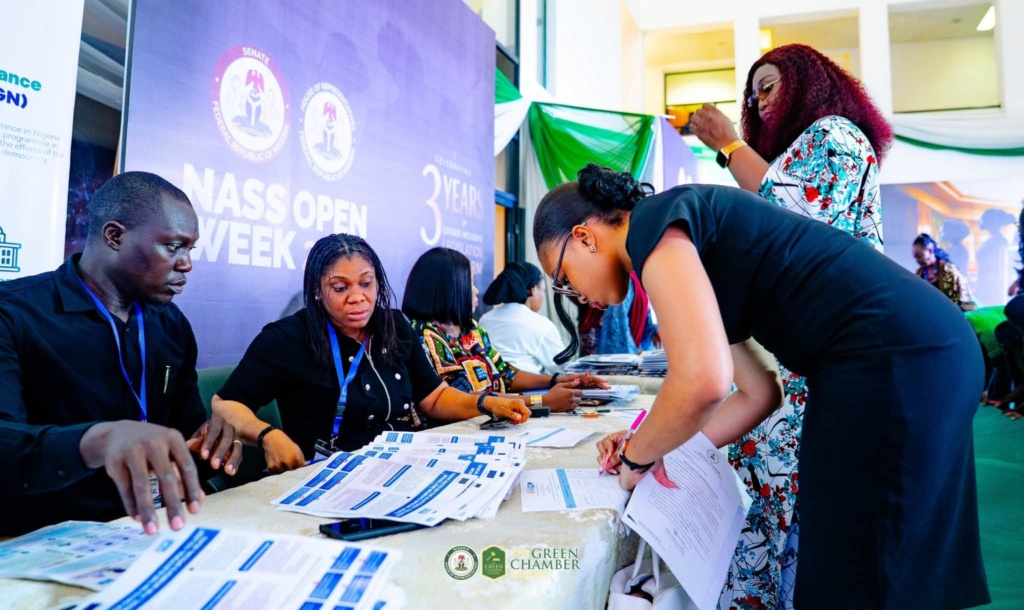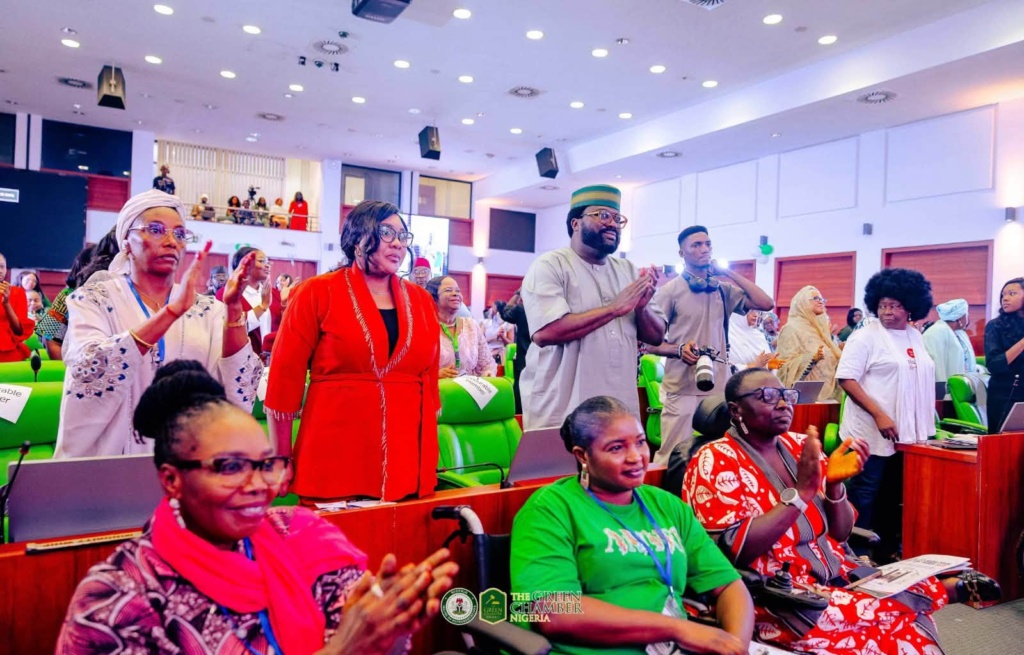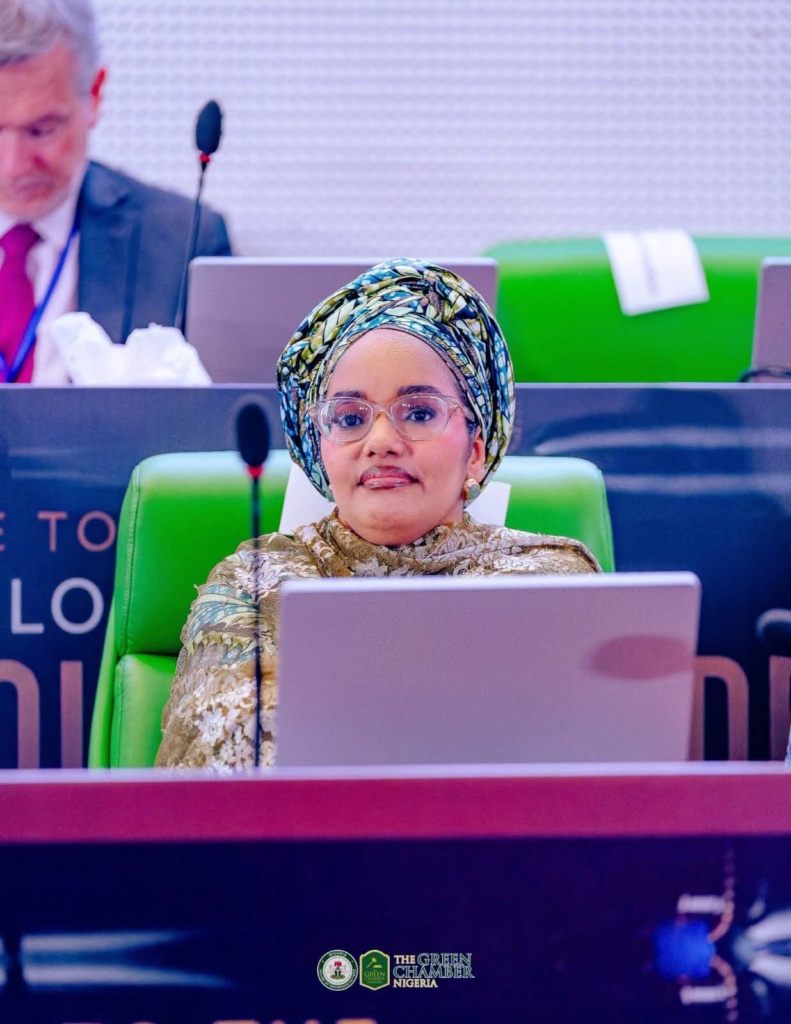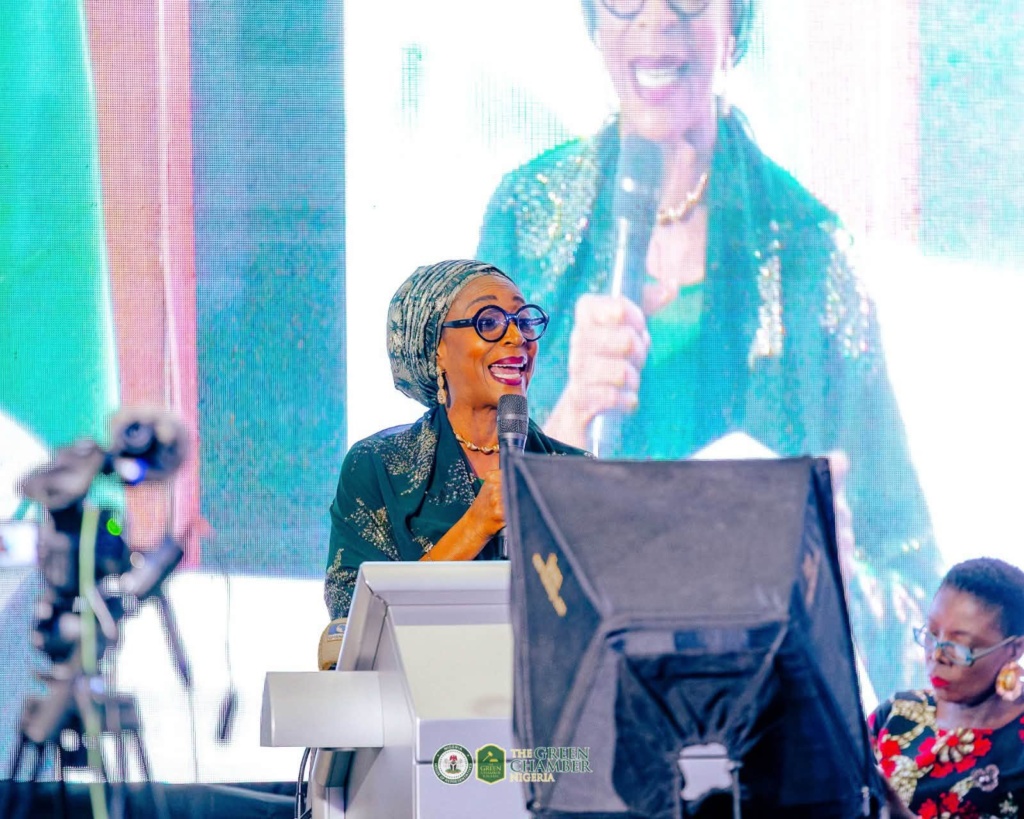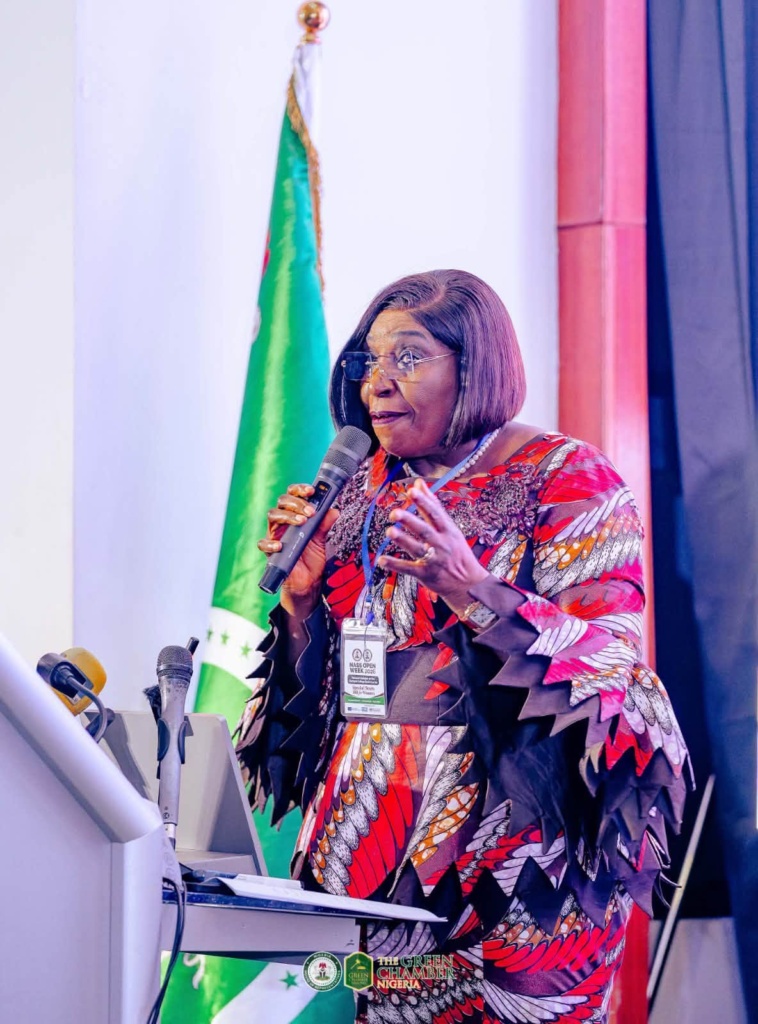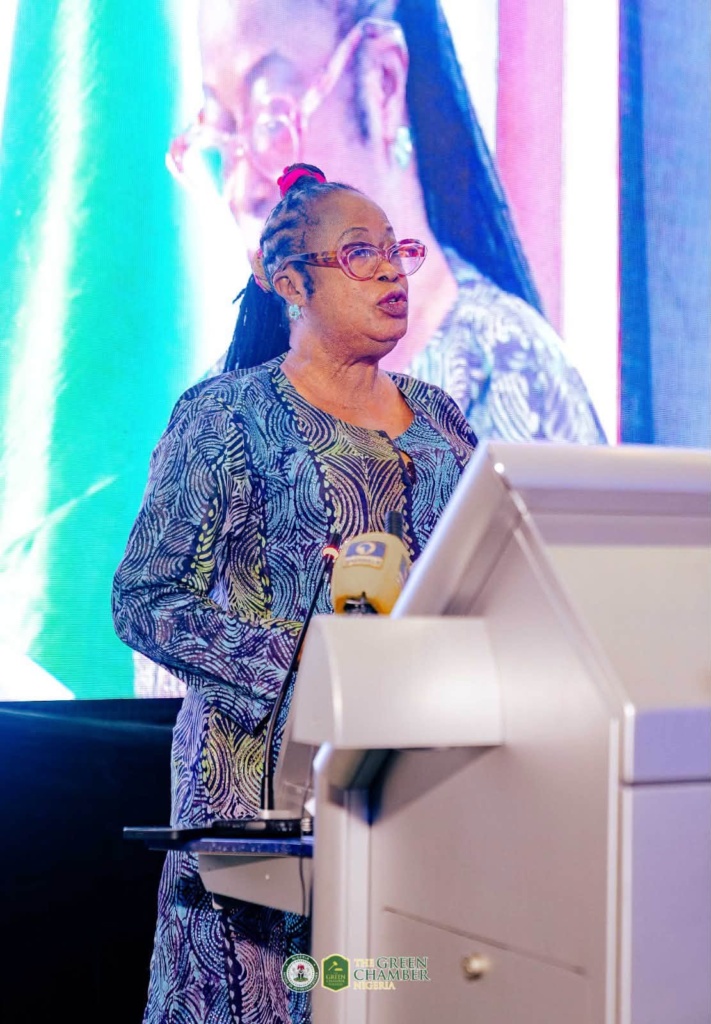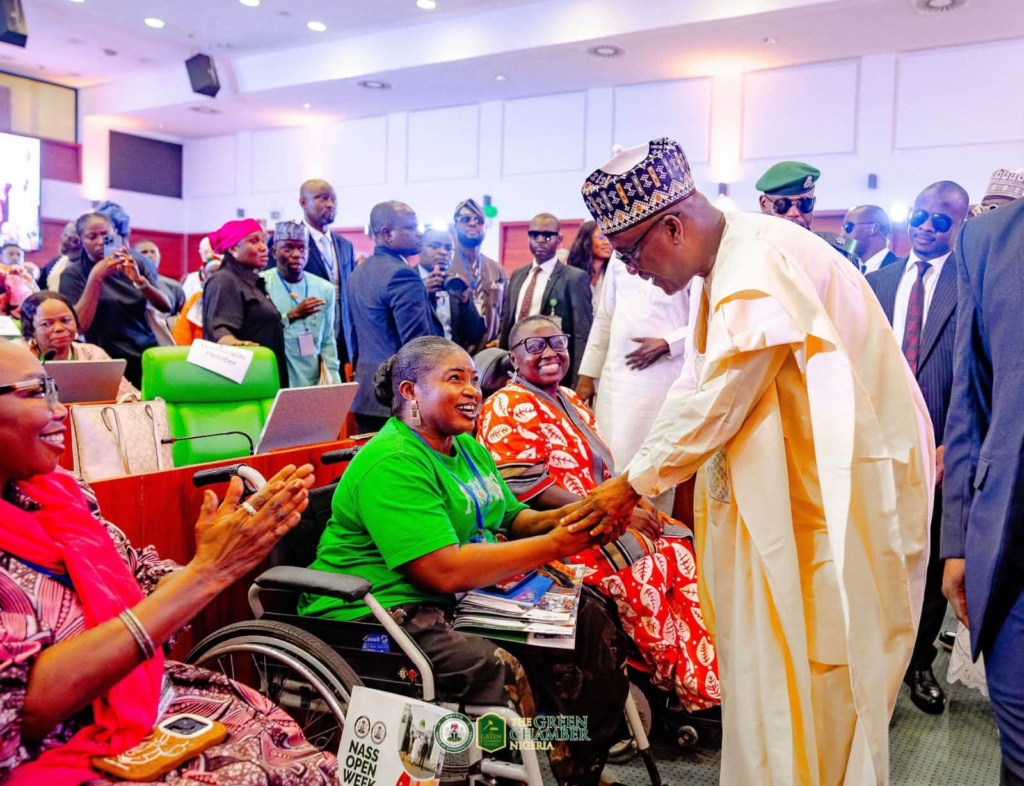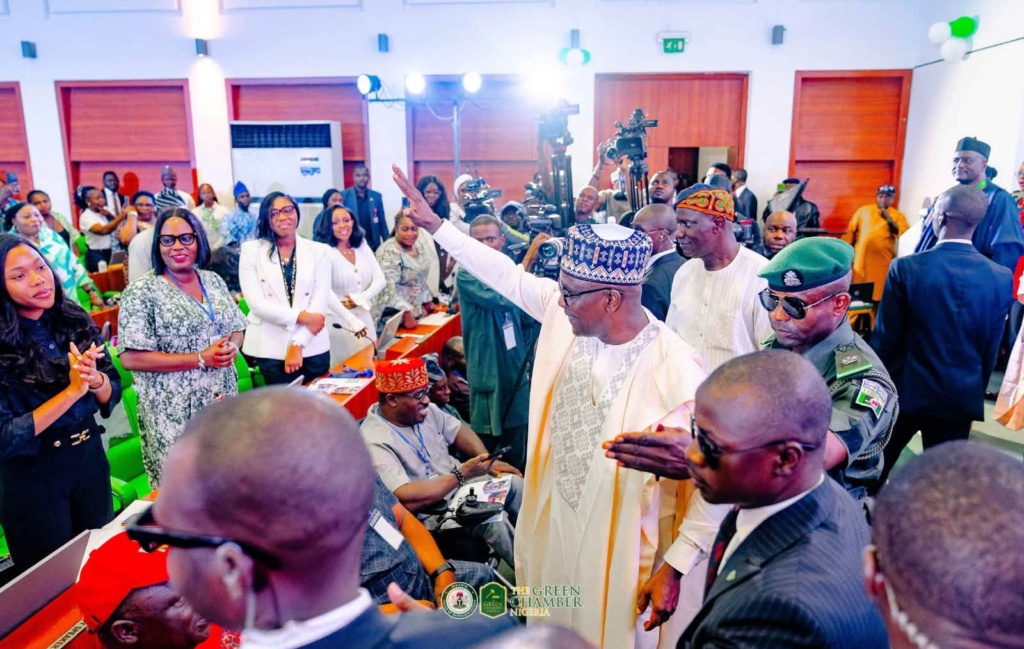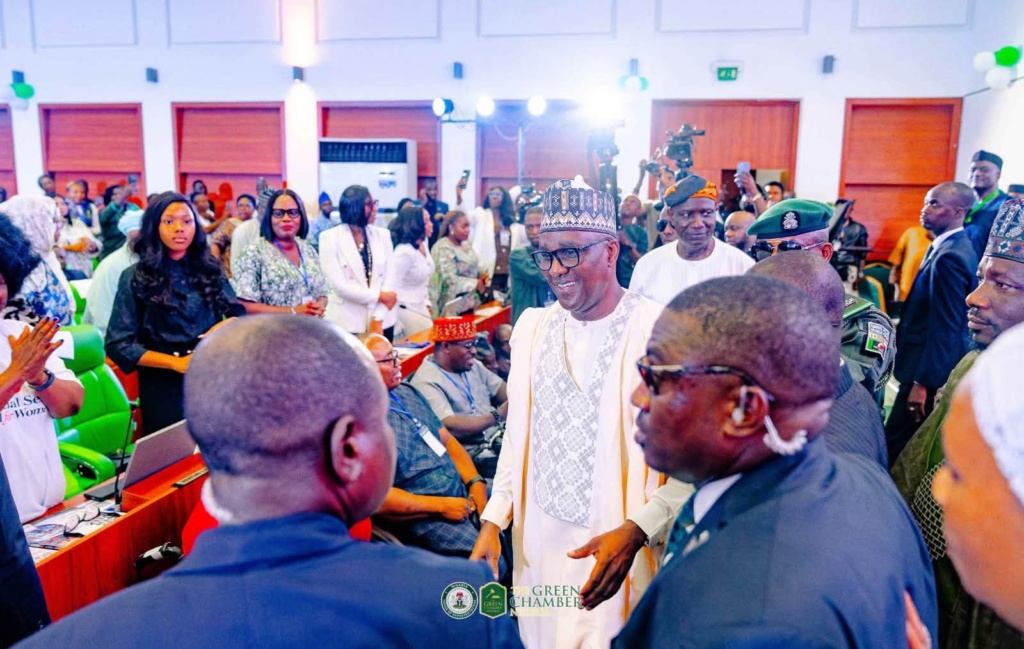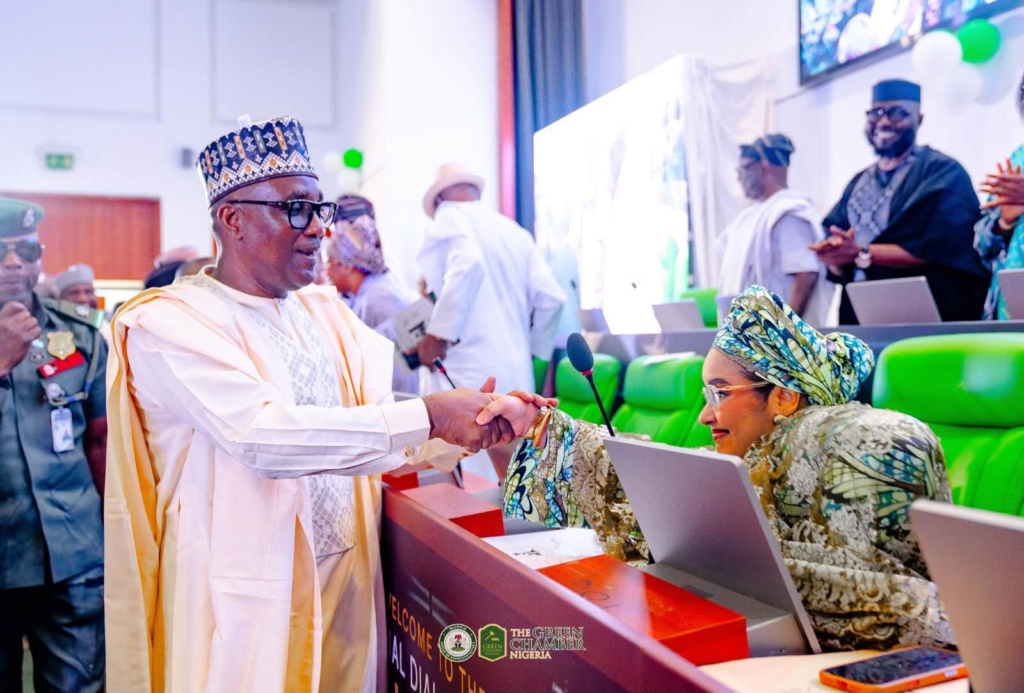
Day Two of National Assembly Open Week 2026 featured the National Dialogue on the Electoral College Model for the Special Seats Bill for Women and Persons with Disabilities, bringing together lawmakers, government institutions, development partners and civil society organisations to examine a proposed framework for expanding the representation of women and persons with disabilities through constitutional reform.
The event also featured the documentary Double Minority by Kadaria Ahmed, a creative performance, and the presentation of the Gender Report (2023–2026), reinforcing the imperative of inclusive representation and democratic participation.
Chairing the dialogue, Rt. Hon. Patricia Olubunmi Etteh, former Speaker of the House of Representatives, urged stakeholders to build broad national consensus around the proposed Electoral College Model, describing it as a reform worthy of serious consideration. Rep. Kafilat Ogbara, Chairperson of the House Committee on Women Affairs and Social Development, called for sustained momentum behind the Special Seats Bill, describing it as a practical response to the persistent underrepresentation of women in Nigerian politics.
Speaker of the House of Representatives, Rt. Hon. Abbas Tajudeen, PhD, GCON, represented by the House Majority Leader, Rt. Hon. Prof. Julius Ihonvbere, CON, said the growing support for the Special Seats Bill reflects an emerging national consensus on expanding women’s representation. While commending stakeholders for sustaining advocacy, he stressed the need to secure the support of State Houses of Assembly to ensure the Bill becomes law.
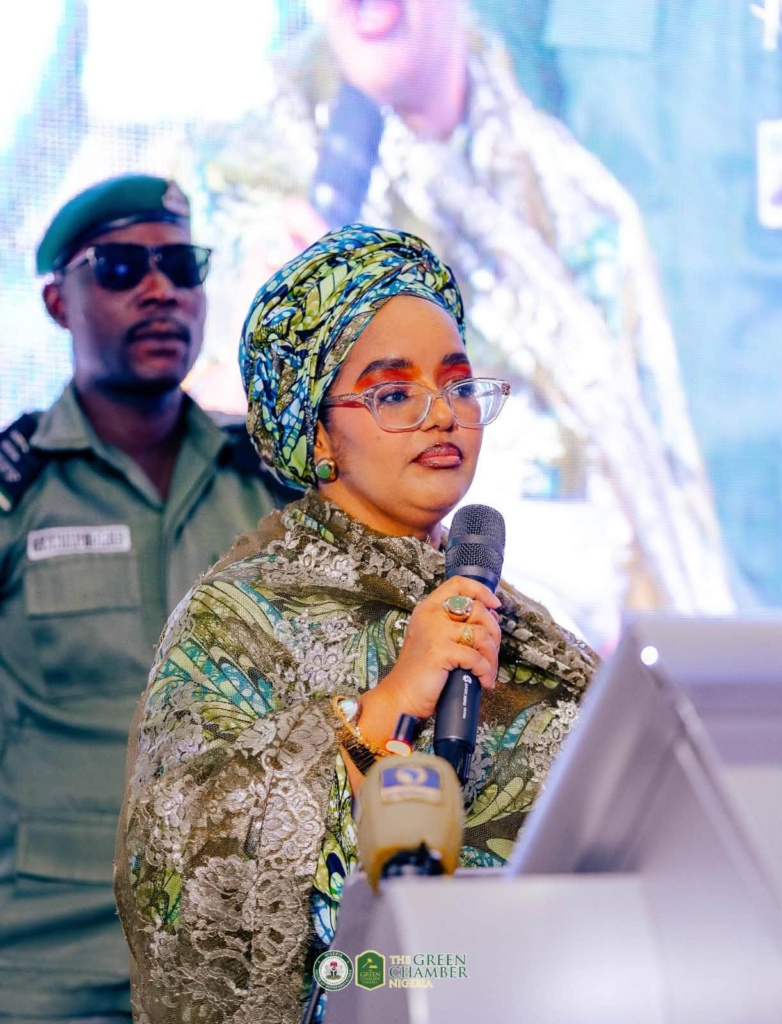
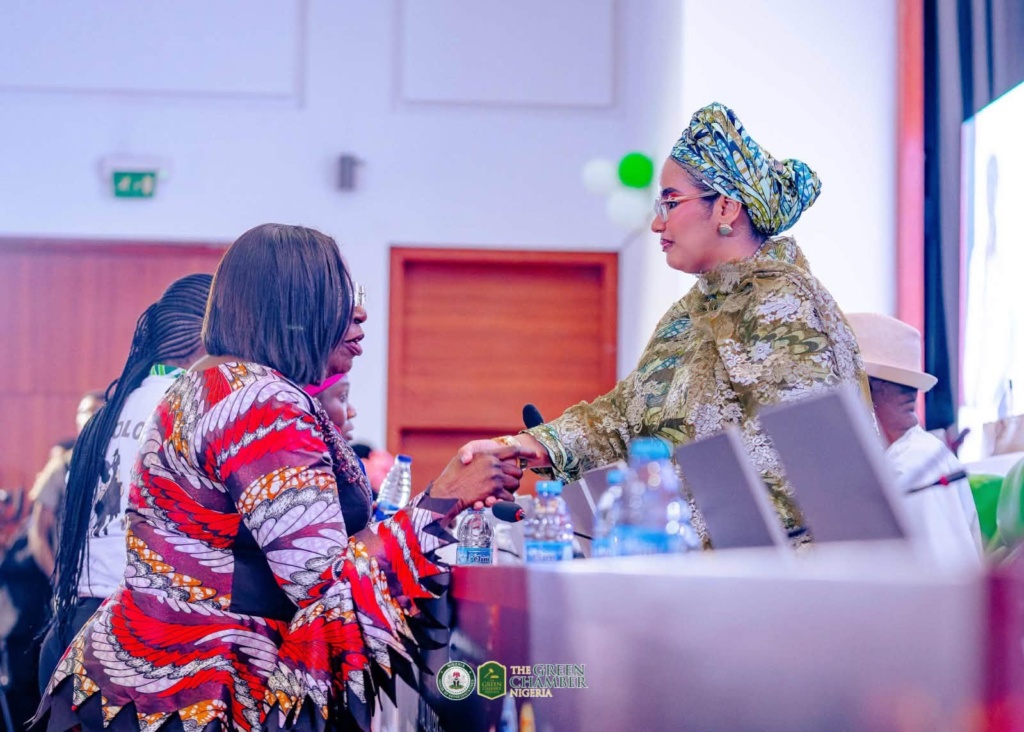
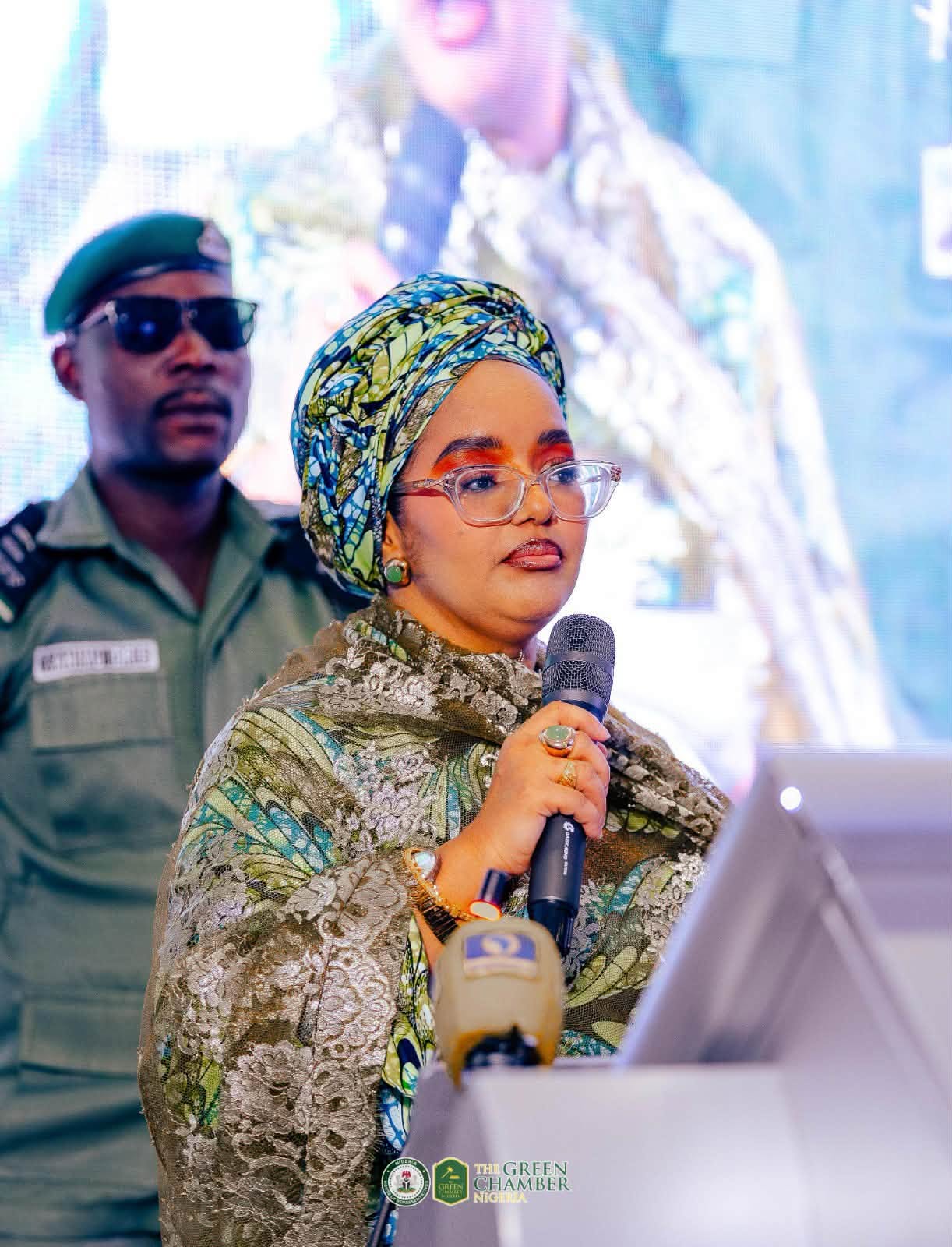
Goodwill messages from Hajiya Fatima Abbas Tajudeen, Wife of the Speaker and Chairperson of the House of Representatives Spouses Association (HORSA), the Federal Ministry of Women Affairs, and the Maryam Babangida National Centre for Women Development reaffirmed broad institutional support for reforms that promote the inclusion of women and persons with disabilities in governance.
Development partners and civil society organisations, including the Policy and Legal Advocacy Centre (PLAC), the European Union Delegation to Nigeria and ECOWAS, UK in Nigeria, the Secretariat of the Conference of Speakers and Presidents of African Legislatures (COSPAL), and the Gender Mobile Initiative, described the Bill as a landmark constitutional reform capable of strengthening Nigeria’s democracy, advancing inclusive representation and inspiring broader reforms across the continent.
Contributions from Rep. Babajimi Benson, Chairman of the House Committee on Defence, and Rep. Omosede Igbinedion, the youngest female Member of the 10th House of Representatives, reflected legislative backing for the Bill. Their interventions underscored the need for stronger institutional support, accelerated passage of the Bill, and expanded opportunities for women to participate in political leadership.
The dialogue also benefited from the perspectives of H.E. Dr. Hadiza Sabuwa Balarabe, Deputy Governor of Kaduna State, and H.E. Prof. Ngozi Nma Odu, Deputy Governor of Rivers State, who described the Bill as a defining constitutional reform capable of expanding women’s representation, strengthening representative governance and shaping the legacy of the 10th National Assembly.
A technical presentation outlined the proposed Electoral College Model, while a high-level panel further examined its constitutional and practical implications.
The dialogue reaffirmed the House of Representatives’ commitment to an inclusive constitutional review process that promotes representative governance and expands opportunities for women and persons with disabilities to participate meaningfully in public leadership.